Deep Running Roots
The History of Montana’s Apple Trees
Across Montana
Written and Photographed by Amy Grisak
Fall Issue - 2026
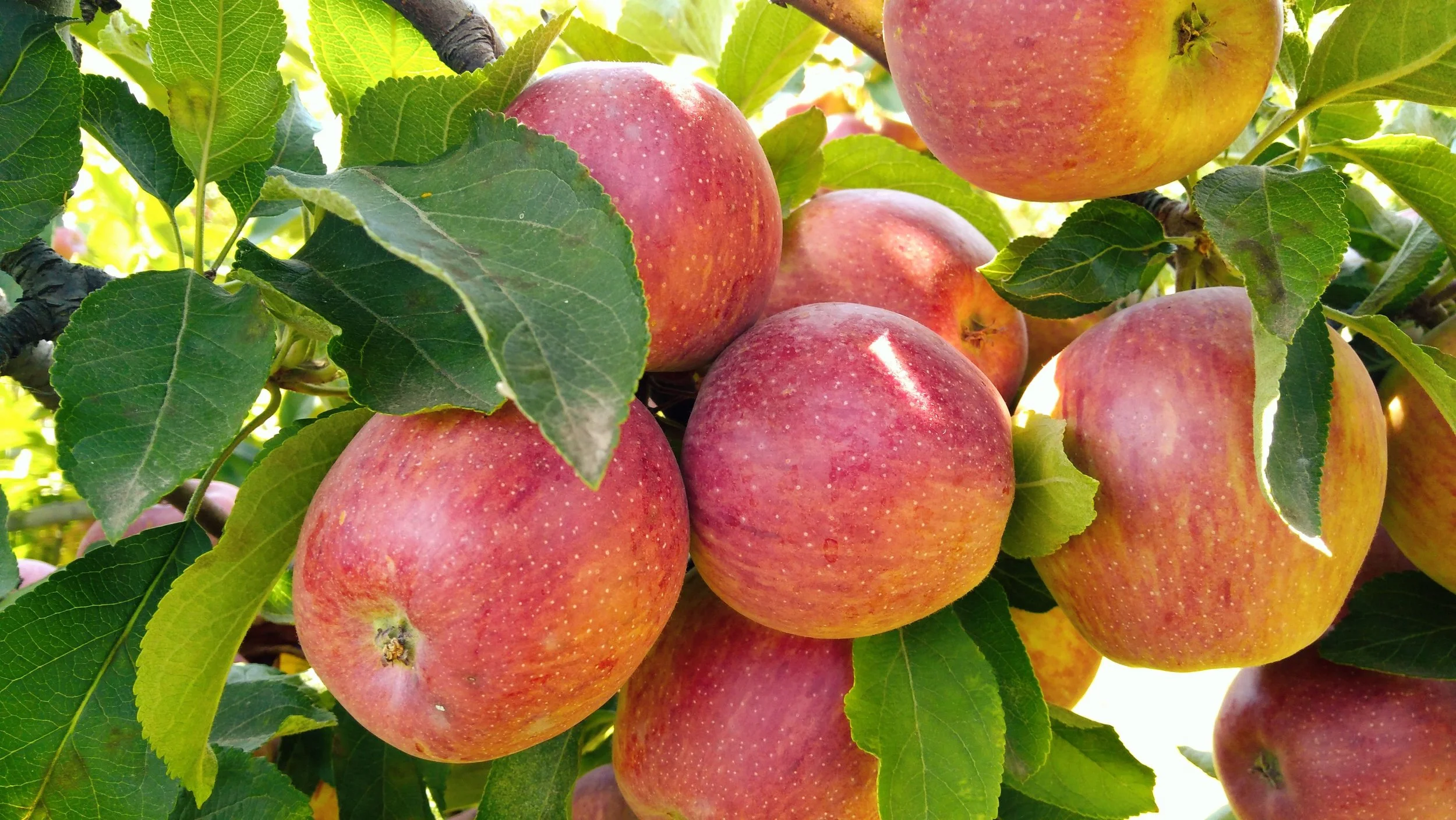
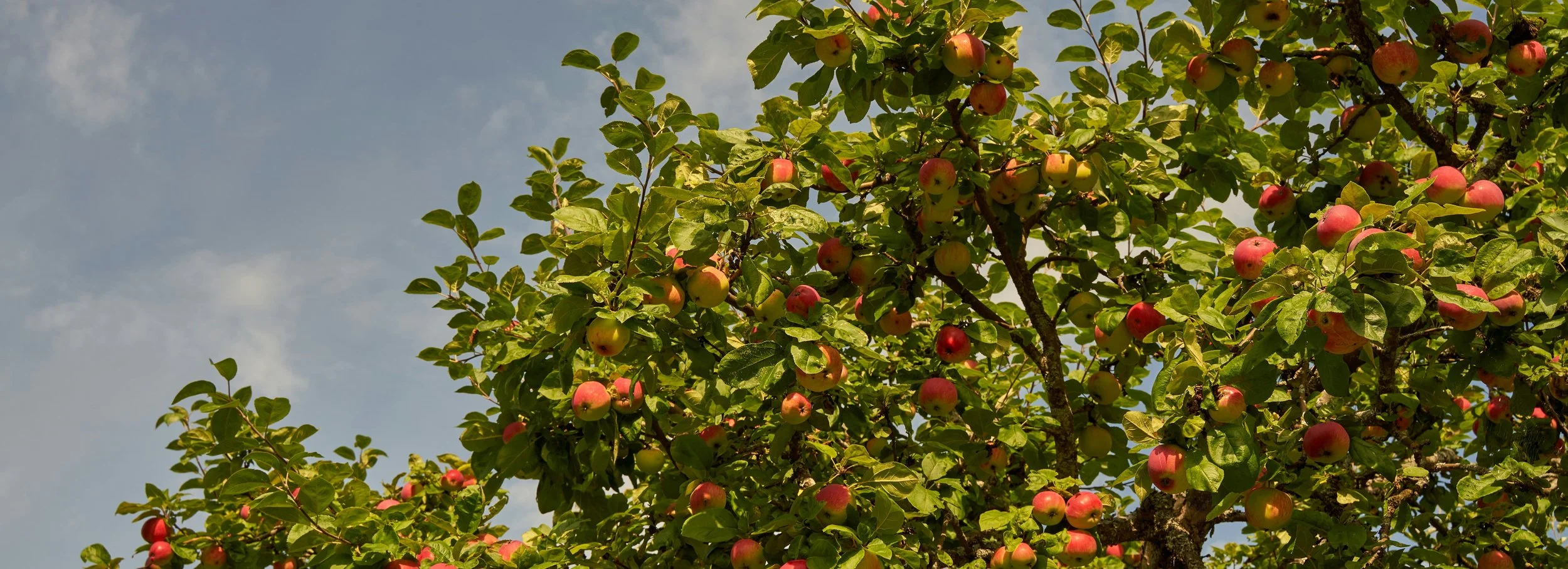
Along the Missouri River in central Montana, a couple of old apple trees mark the place where a family once lived. The house is gone, the garden is gone, and any remnants of the old homestead have faded, yet the tree remains. After decades of blizzards, drought, scorching summers, and seasons of grasshoppers, they still bear remarkably tasty fruit.
There is a particular delight in tasting an apple from one of these forgotten trees and finding its flavor that reminds you of your childhood. Then comes the inevitable question: What kind of apple is this?
Montana’s apple boom began in the 1840s, when missionaries Father Jean-Pierre DeSmet and Father Antonio Ravalli planted apple trees in Stevensville. Yet, apples were also a familiar and important feature on homesteads throughout eastern Montana, Wyoming, and the Dakotas.
“There were a few people who brought them out as scions,” said Katrina Mendrey, who previously oversaw the Montana Heritage Orchard Program, is a founding member of the Heritage Orchard Conference, and continues to graft trees to preserve them. “There were also traveling nurseries.”
Long before online ordering, or even a phone, homesteaders bought grafted fruit trees from nursery catalogs, many of which hailed from New York or the northeast. Nurseries wrapped dormant bare-root trees to keep their roots moist, and shipped them by mail, stagecoach, and eventually by railroad.
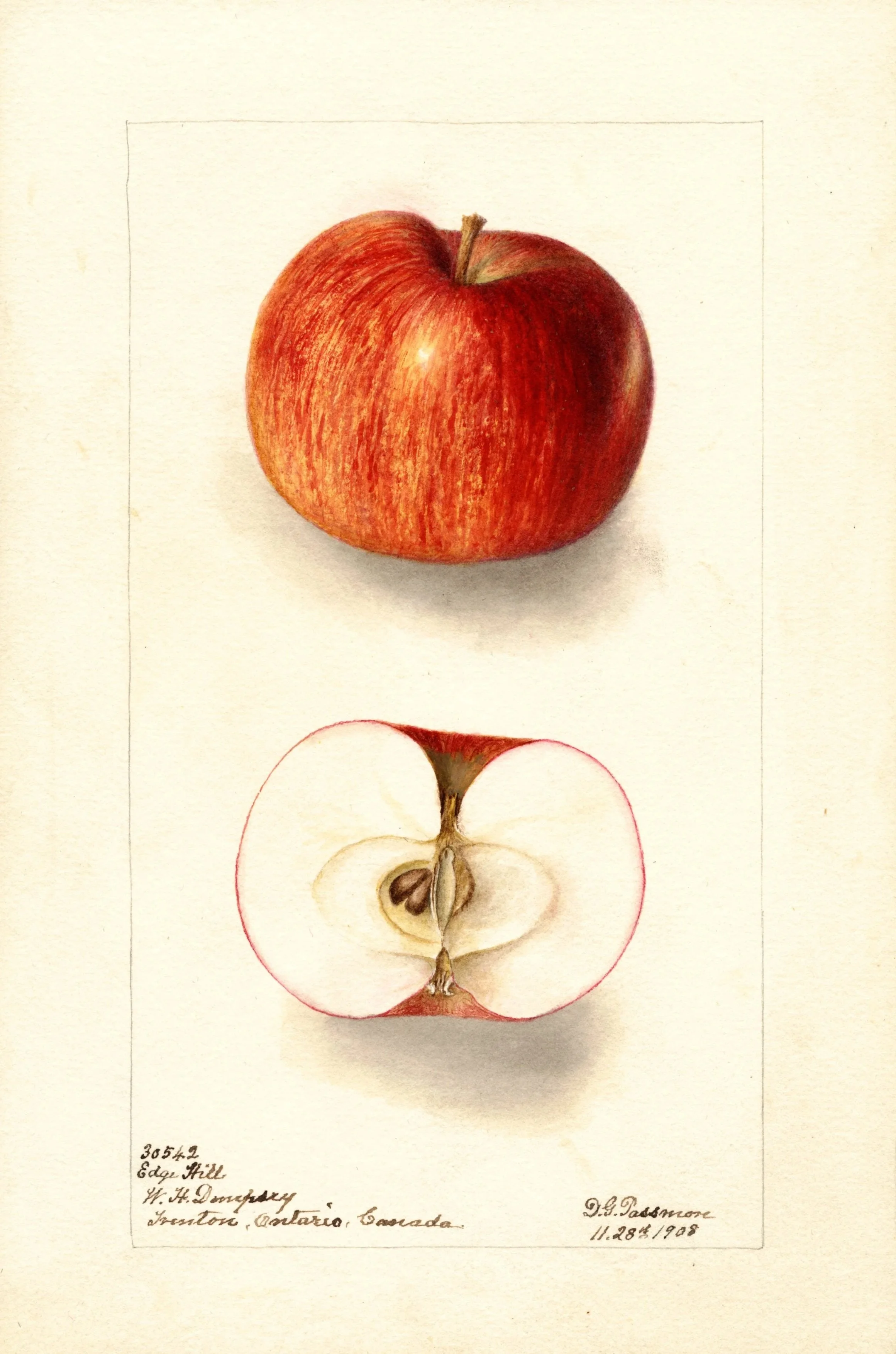
Identifying an old apple tree can take some detective work. But you can begin by documenting when it ripens, photographing and tasting the fruit, researching the property’s history, and collecting scionwood—foot-long branches that can be grafted onto another tree or rootstock—before the tree is lost.
Montana State University’s Montana Heritage Orchard Program is a valuable tool in this investigation. Spearheaded in 2013 by Toby Day and Brent Sachet, the project explored the history and genetics of Montana’s heritage apples while helping orchard owners identify and preserve surviving trees. The team also produced an impressive collection of online resources, including the Heritage Orchard Management Guide, authored by Katrina Mendrey, and an identification key for many of the state’s most common historic cultivars.
There were roughly 100 difficult cultivars planted within the region, but roughly a dozen were the most popular varieties. It’s often possible to narrow down a tree’s identity by following a few steps and using the online resources:
~ Decide if the tree is a seedling (a tree that grew from a seed) or an identified cultivar.
~ Photograph the entire tree, including the stems, leaves, bark, and fruit.
~ Cut an apple through the middle to examine its core and seed cavities.
~ Record the harvest date, flavor, texture, and how long it keeps.
~ Estimate when it was planted.
~ Compare the fruit or photos of the fruit to the MSU identification key.
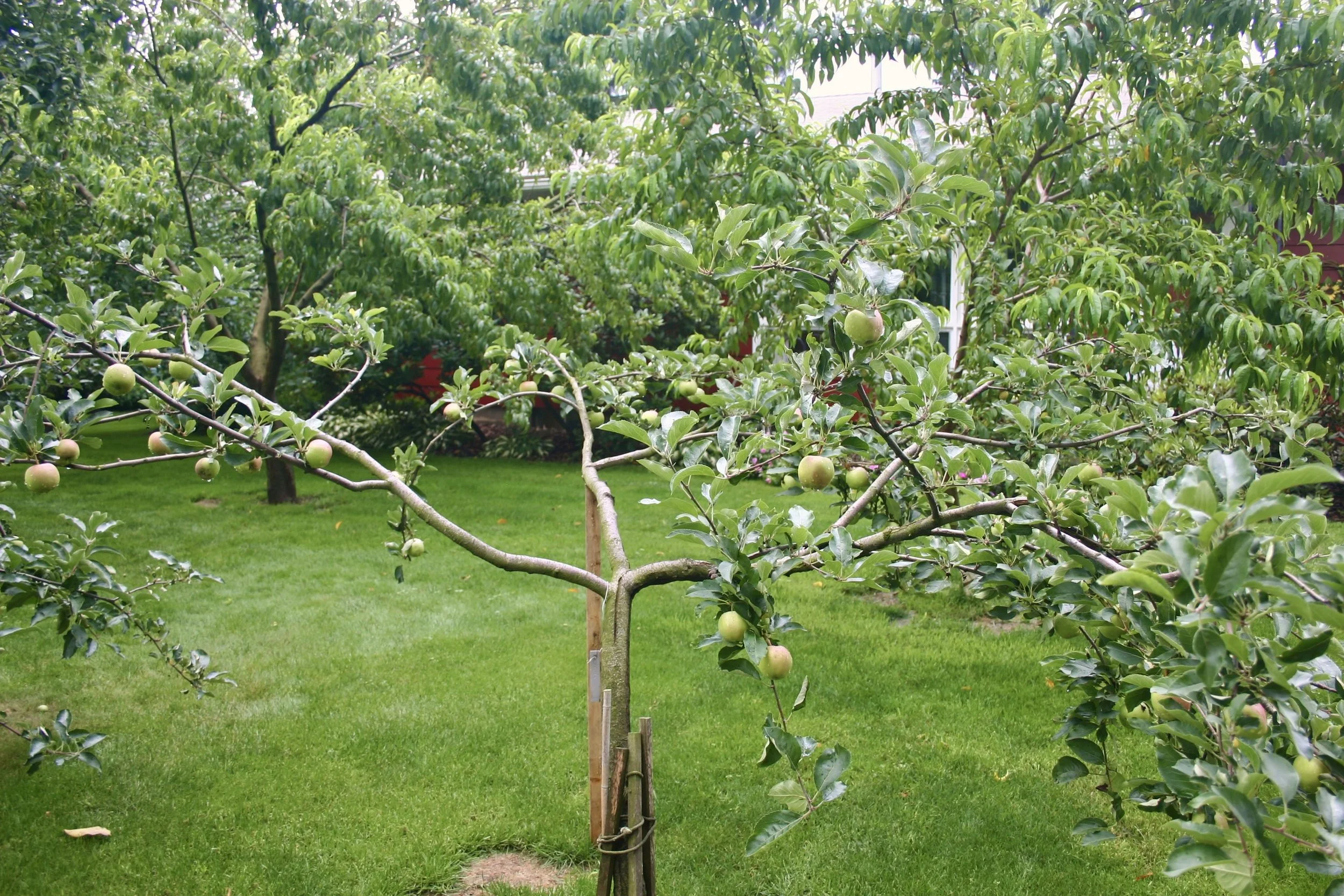
Whether you’re able to determine the cultivar or not, these long-standing orchards hold value.
"One of my favorite things about old trees is that they can be rotted out at the core and still produce fruit,” said Katrina. But even the sturdiest trees have a lifespan. “We’re starting to lose our history trees more and more.” With some of the trees crossing the century mark, a little care can extend their lives. Here are a few recommendations to care for the geriatric orchard.
~ Water deeply during prolonged dry periods. Even though the trees may have lived for decades without fussing, additional water extends their lives.
~ Don’t go overboard when pruning. Cut out dead or diseased branches first. If you do prune, remove only up to 20 percent of the canopy.
~ Protect the tree from deer or voles that might damage the bark.
~ Refrain from fertilizing, as extra nitrogen can lead to weak growth.
Water and care can buy more time for these homestead-era orchards, but grafting is the only way to preserve the cultivar for future generations.
Katrina and her 10-year-old son, Auggie, who is quickly learning the technique, help preserve these beloved cultivars by custom-grafting apples (and pears) for people in the Bitterroot, as well as sharing her knowledge with those who want to learn.
An apple seed may grow and even develop fruit, but there is a good chance the fruit is not palatable. Vegetative propagation through grafting ensures the cultivar you want. Grafting involves taking a scion, a section of the desired type of apple, and joining it to the rootstock, which is a variety chosen for the regional conditions and possible disease issues. The rootstock can be an existing tree or a tree that is one to two years old.
“I graft in August, grow them out over three years, and then deliver them to the people,” she said. By holding on to them for several seasons, she can be proactive in addressing diseases such as fire blight, giving the trees their best chance of survival.
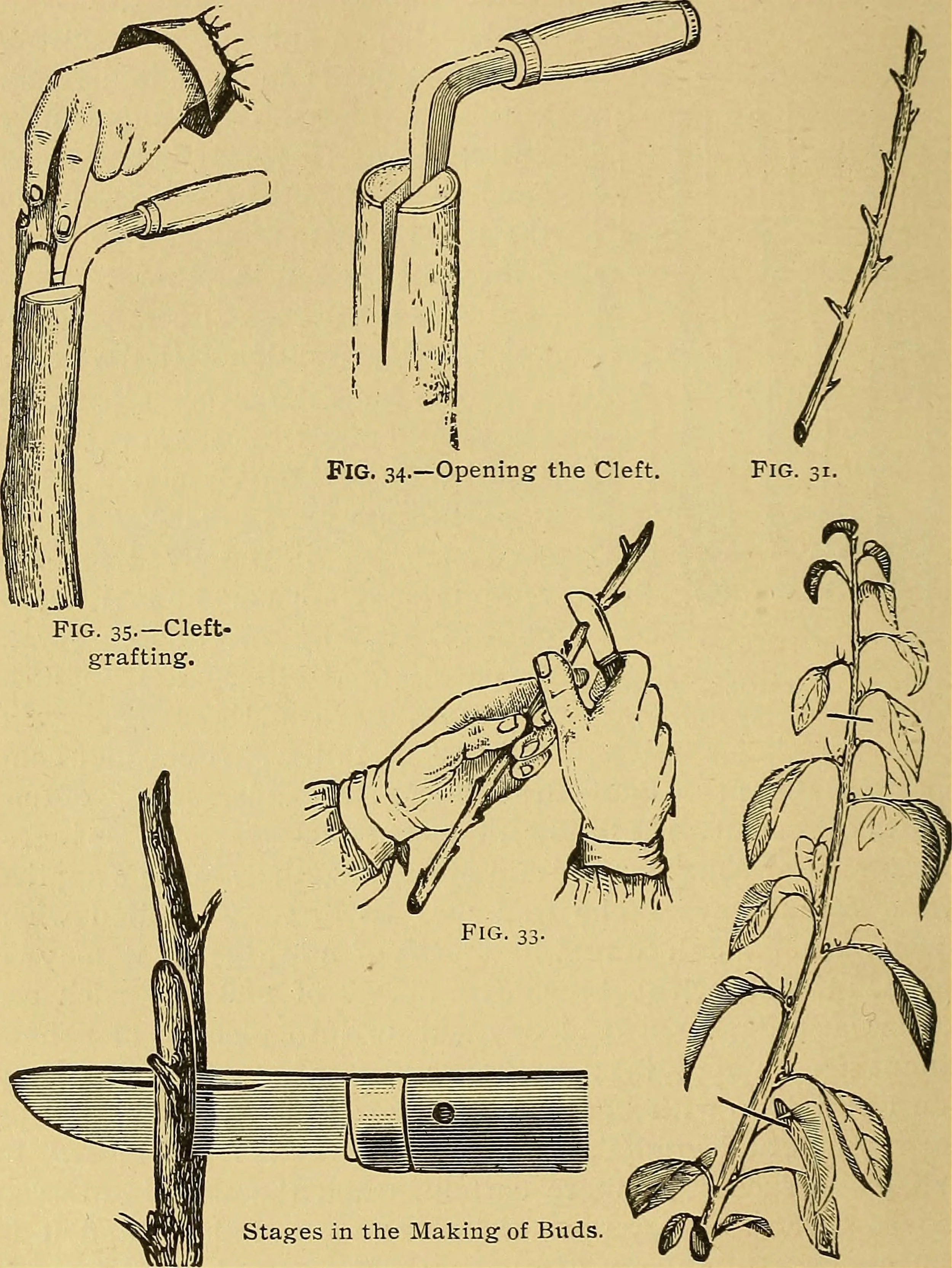
Grafting in the summer is called bud or chip grafting because you remove the bud from a healthy scion and wedge it into a carefully cut-out section of the rootstock. The graft is completely wrapped with grafting tape to prevent the union from drying out. When done correctly, the graft will take by next spring.
“It takes practice,” said Katrina, “but sometimes it can be really forgiving.”
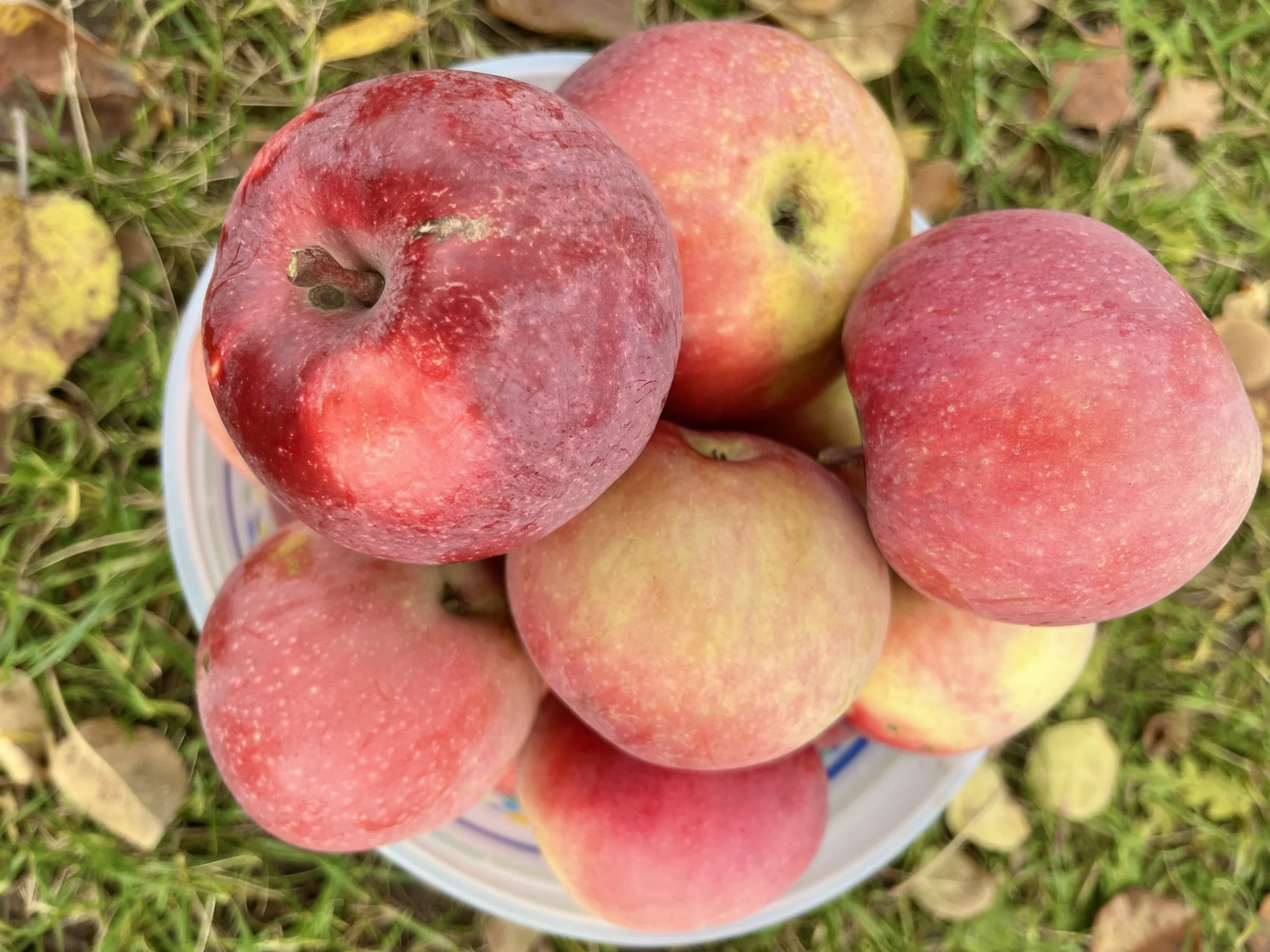
The other option is spring grafting, in which dormant scions are grafted using techniques such as the cleft or whip-and-tongue graft. Autumn is a good time to determine what trees are healthy enough to be grafted, but collect the scion wood in January or February.
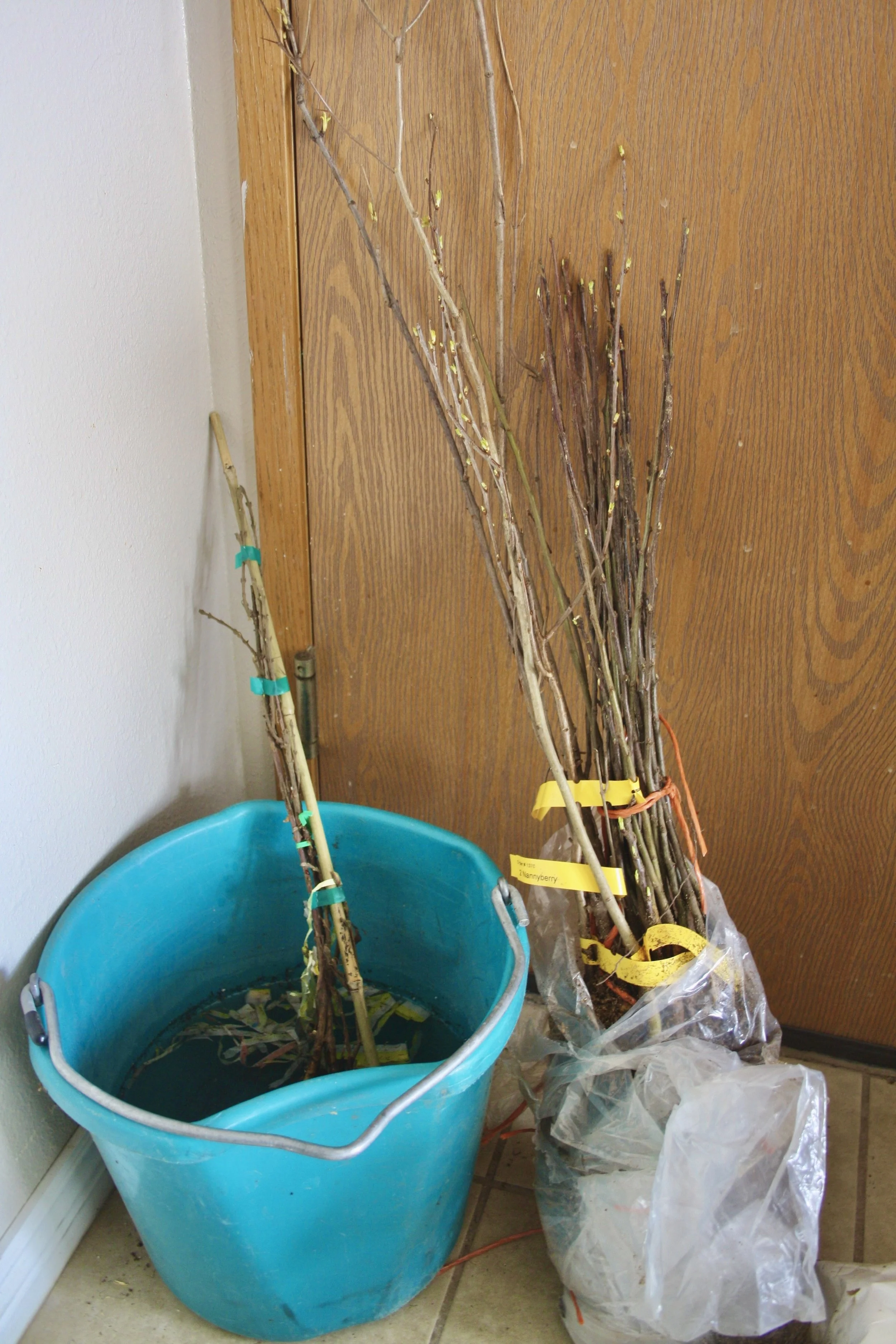
Choose pencil-thick shoots on one-year-old healthy growth and cut them roughly 8 to 12 inches long. Label each cultivar, then wrap them in damp paper and place them in a plastic bag to keep them moist. Store them in the refrigerator until it's time to graft in April or May.
Cleft grafting is useful when you want to add a heritage cultivar to a larger branch of an established tree. The cut end of the scion is shaped with the grafting knife into a wedge and inserted into a split in the branch with the cambium layers, the cells just below the bark, aligned along at least one side. The joint is then protected from drying out with a grafting wax or sealant.
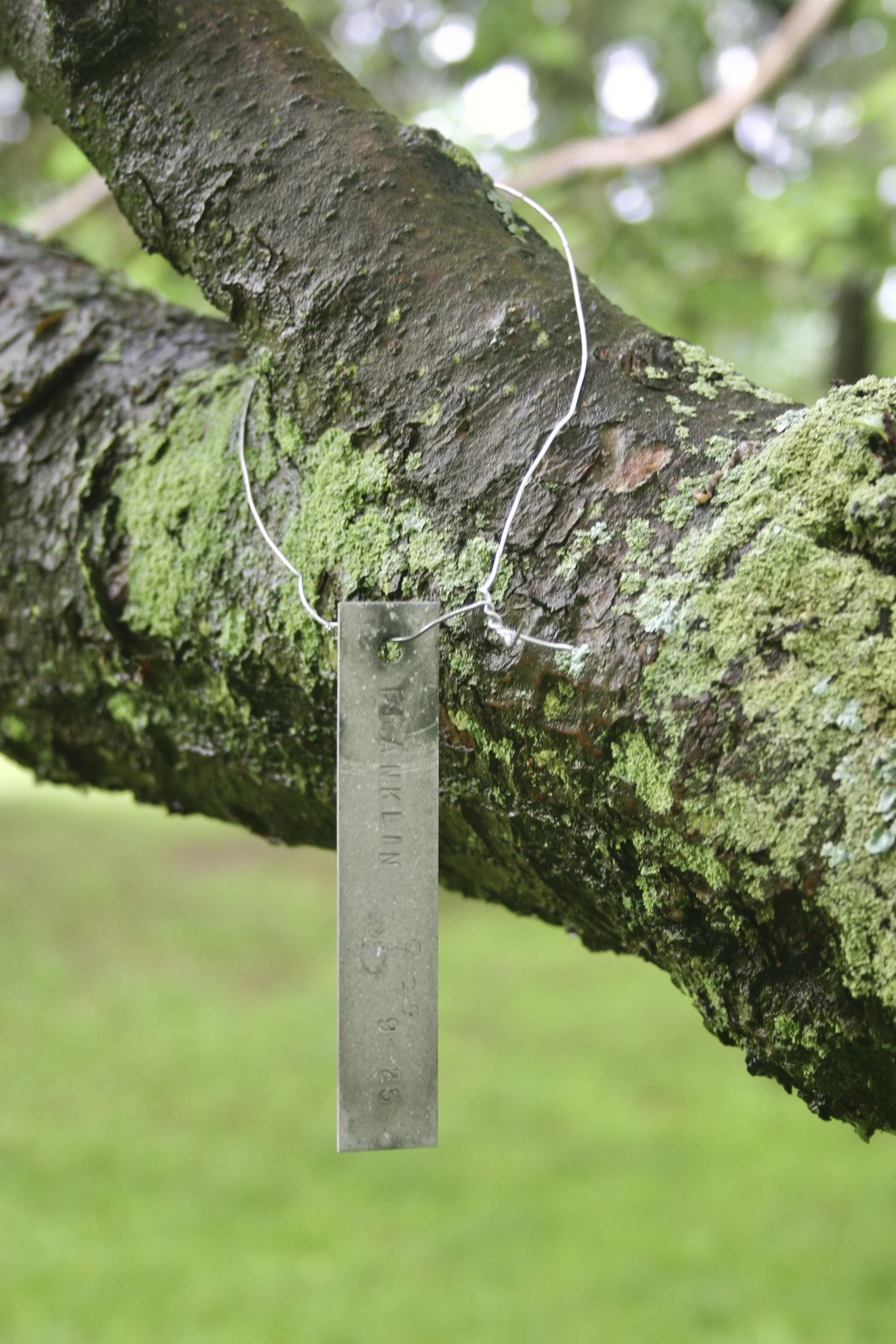
Whip-and-tongue grafting works best when the scion and rootstock are approximately the same diameter. A long diagonal cut is made on each piece, followed by a smaller cut that creates a tongue. This allows a larger surface area when you slide the two pieces together. After joining them, wrap it securely with grafting tape to prevent it from drying out. Be sure to tag the grafts to remember the cultivar.
It can be intimidating at first, but reading, watching YouTube videos, and, better yet, attending workshops make it more feasible. Not every graft takes, but it’s a joy when it does.
Not every old apple will turn out to be a recognized cultivar, but if a tree has survived for generations and still produces flavorful fruit, it is worth the effort to preserve it.
"It's part of being a responsible tender of the garden,” said Katrina. “It's a stewardship thing.”
Popular Apple Cultivars Found at Homesteads:
McIntosh Red — Prevalent in the Bitterroot and is the epitome of the homegrown apple that is excellent for eating and makes the best pies.
Duchess of Oldenburg — A very hardy Russian variety that produces medium to large sized, tart fruit that is terrific for baking.
Yellow Transparent — A pale-yellow apple, often the first to ripen in mid-summer. It doesn’t store for very long, but makes excellent apple sauce.
Northwest Greening — Found more on the east side of the Continental Divide, cold hardy, stores well and produces an exceptional baking apple.
Wealthy — One of the most widespread apples in Montana. Very reliable, and produces an apple that is sweet-tart, ideal for eating and baking.