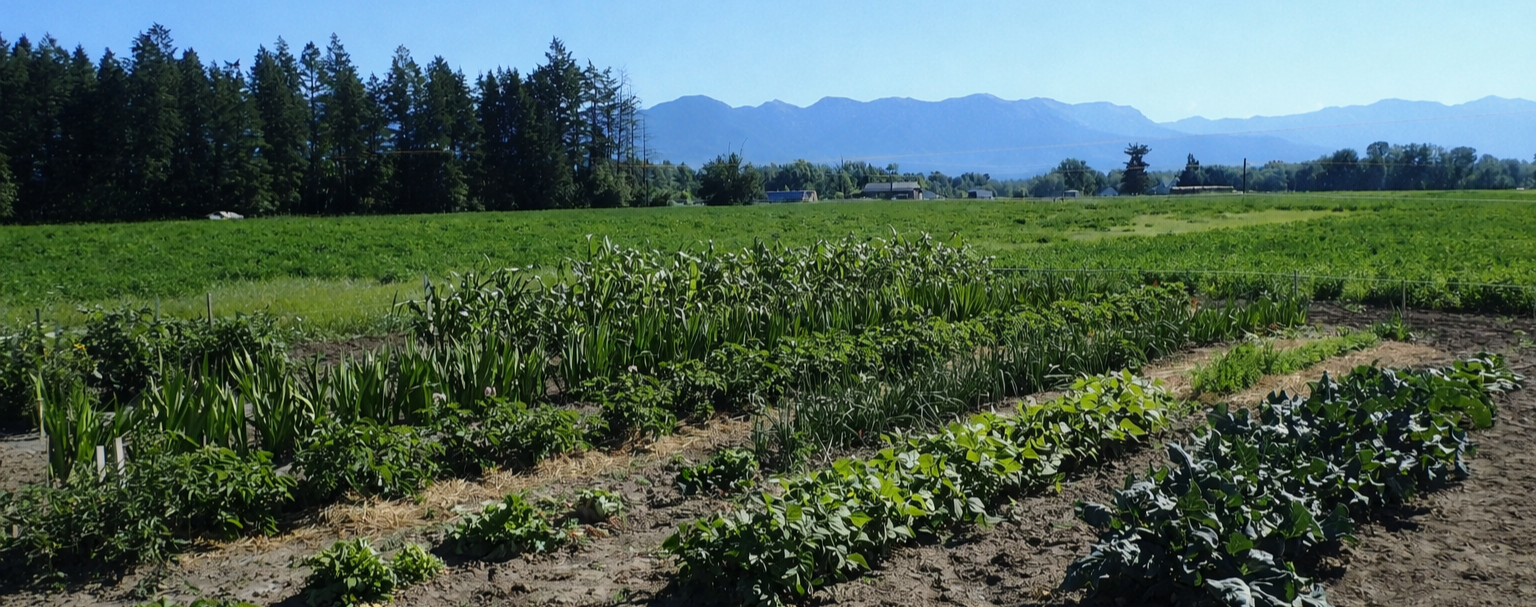
Plan Ahead for Planting
Making Use of Winter Months
Across Montana
Written and Photographed by Amy Grisak
Winter Issue - 2026
It’s the New Year and seed catalogues are beckoning us to look ahead to spring. Winter is the perfect time to plan summer gardens to be ready to go once the weather is warm enough for planting.
Before cracking open a catalog, it’s wise to think and dream about what you want your garden to look like and what you want to produce. But it’s equally important to be grounded in reality. Start by asking a few questions:
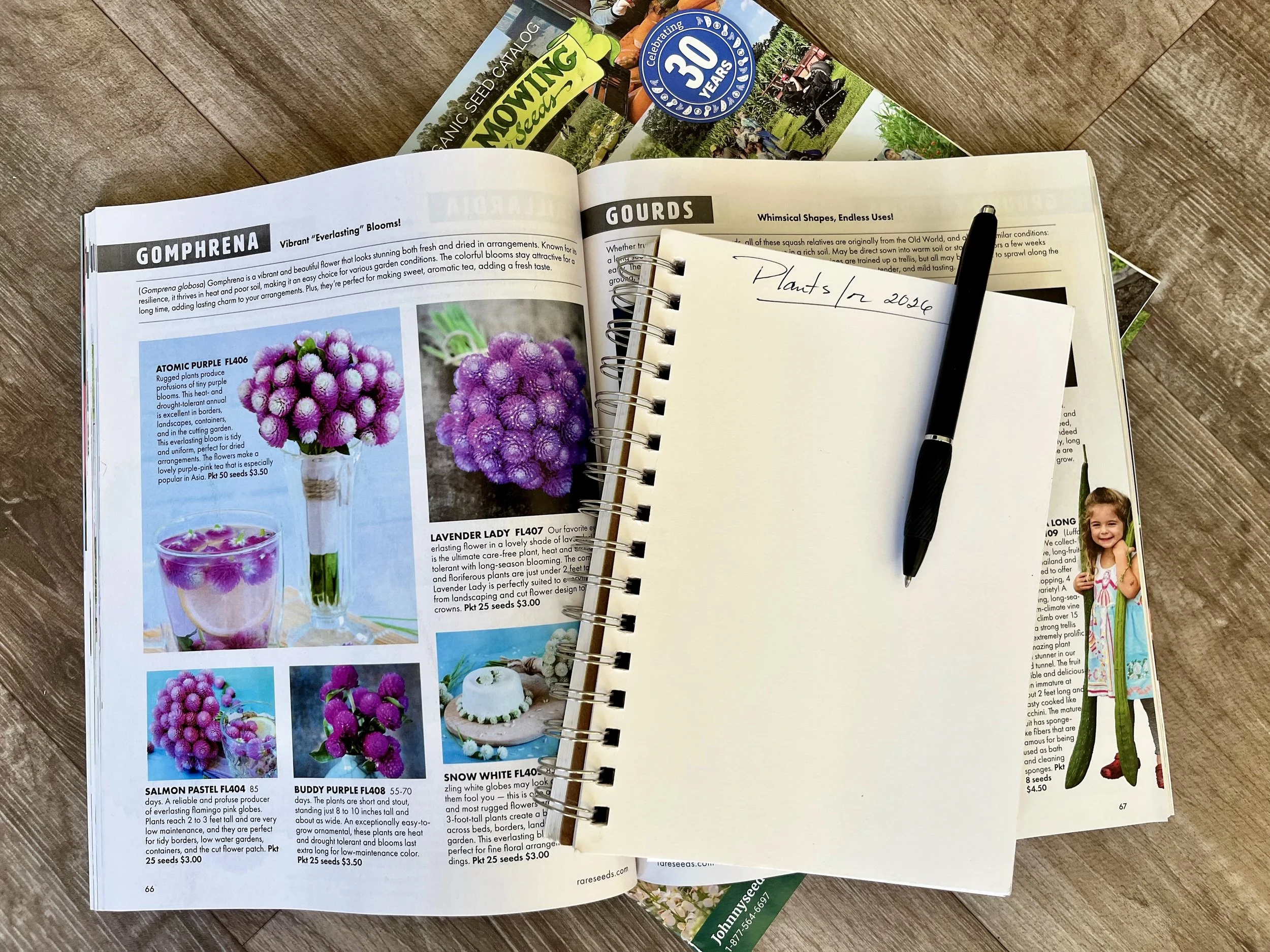
How much space do you have?
A space that measures approximately 400 square feet (approximately 20’ x 20’) is enough to feed a family of four fresh vegetables throughout the summer.
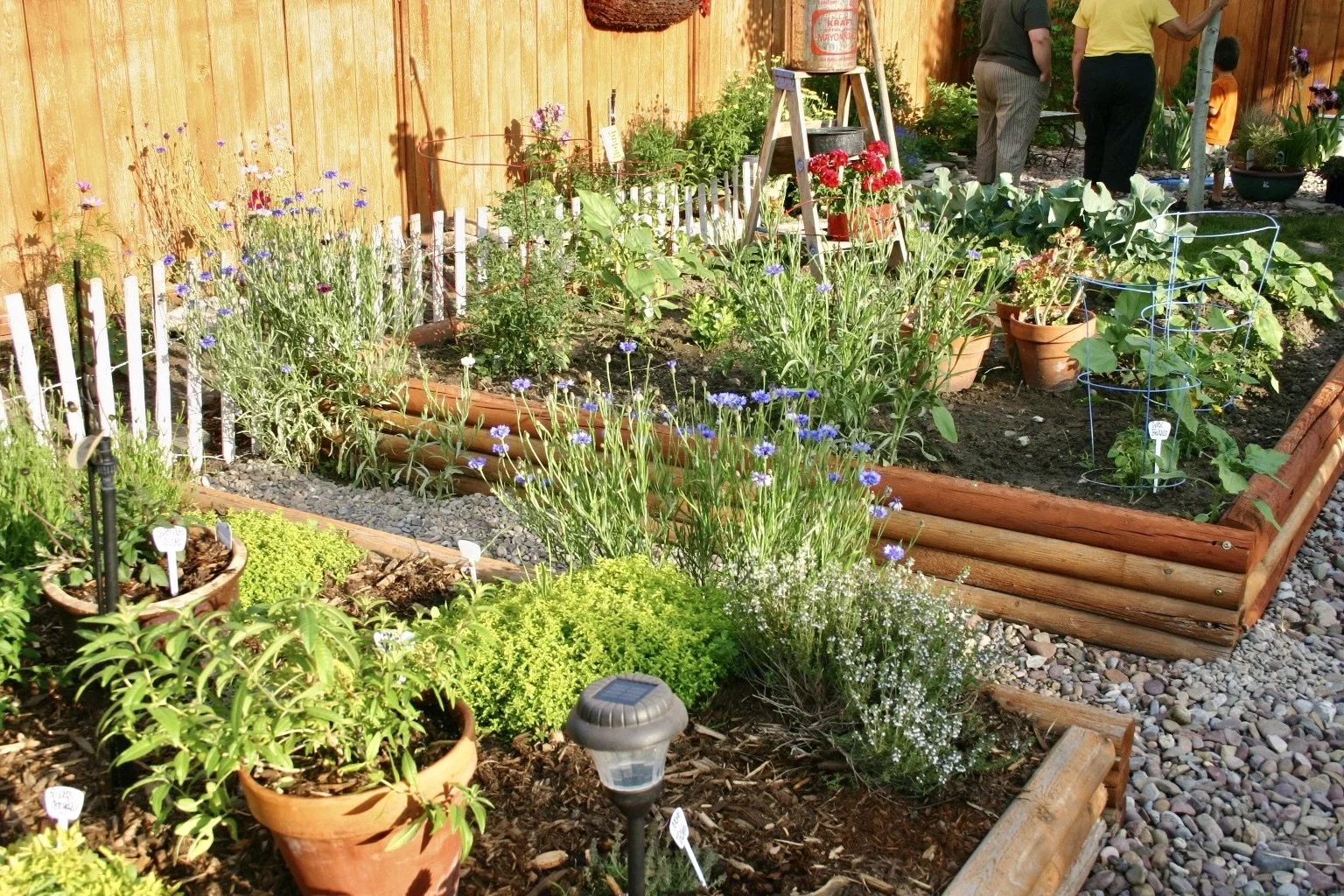
If you’re relegated to a smaller area, it might be more productive to build raised beds or grow fruits and vegetables in containers.
What do you want to grow?
Seed catalogs are helpful, but they can also be a bit deceiving. It can be difficult to pass up beautiful varieties of vegetables but be sure to have enough space for what you like first, then see if you have room for a plant or two of a new variety.
Growing for the season or for preservation:
For the season:
Gardens can be planted in succession multiple times over the course of the summer. For example: for crops like lettuce, spinach and radishes, plant a 2’ x 2’ block every two to three weeks.
Crops like beans and beets can be sown after spring vegetables, such as peas, or even when the first flush of these vegetables is harvested. When the spinach is done, it’s a good time to plant beans because the soil temperature is usually perfect by then. Beets can be planted when the beans are finished and harvested in the fall.
For preserving:
To grow enough vegetables to preserve, use the same space for more of the same kind of plant, whether it is beans, tomatoes, corn, potatoes or whatever else you plan to preserve in quantities larger than will be used over the summer.
Know your region:
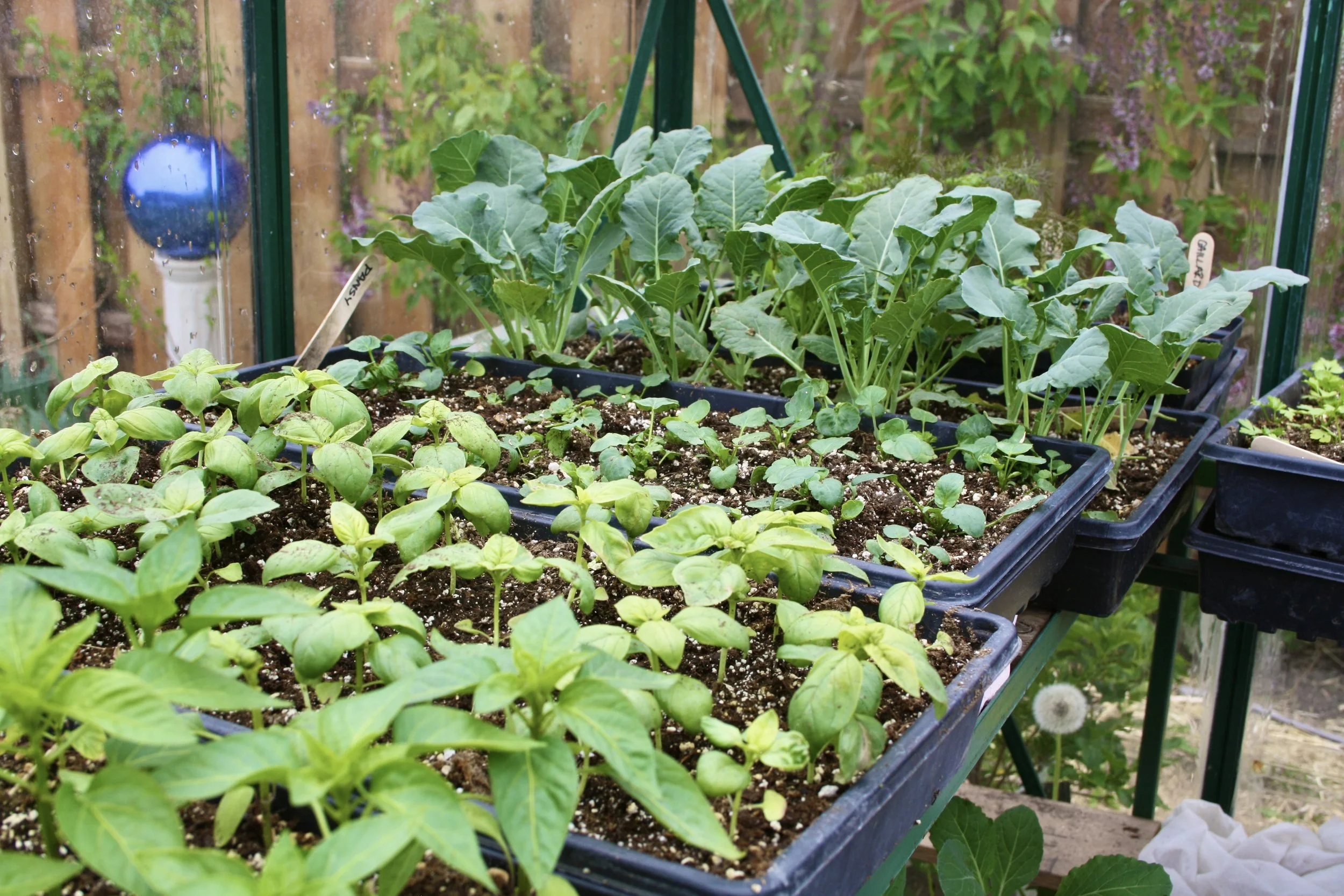
Check to see which varieties grow well in your region. Count the days between the first and last frosts, which will vary considerably depending on your area. For example, Great Falls has 90-120 growing days, while Butte, at 5500 feet, has 85-100 frost-free days.
Choose varieties that mature in less time than your frost-free days. For tomatoes and other summer vegetables, a good rule of thumb is to focus on 90 days or less to maturity because of the chance of early frost. Plus, diminished sunlight in autumn slows growth. Take advantage of the optimum growing window.
Make a seed plan:
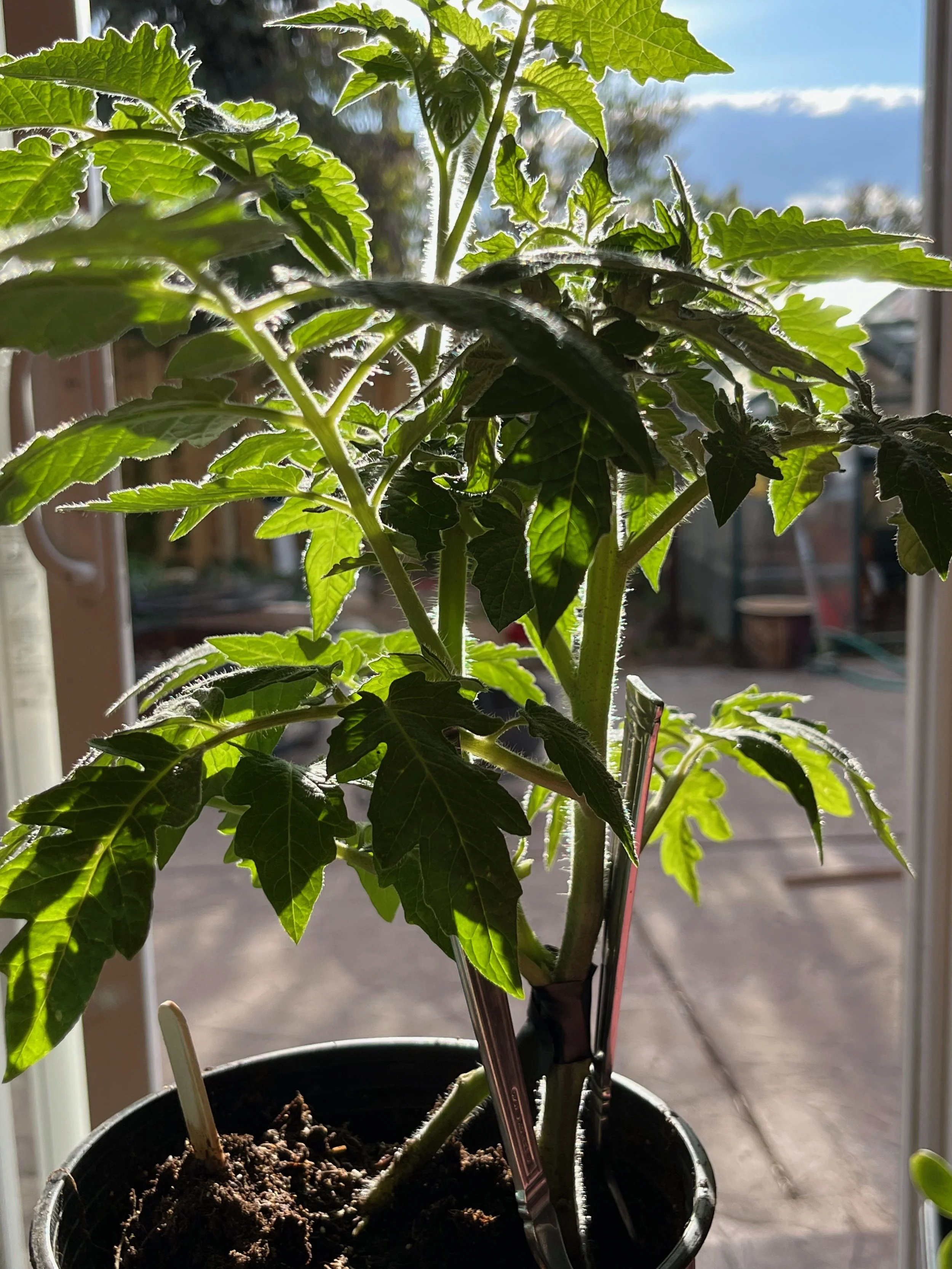
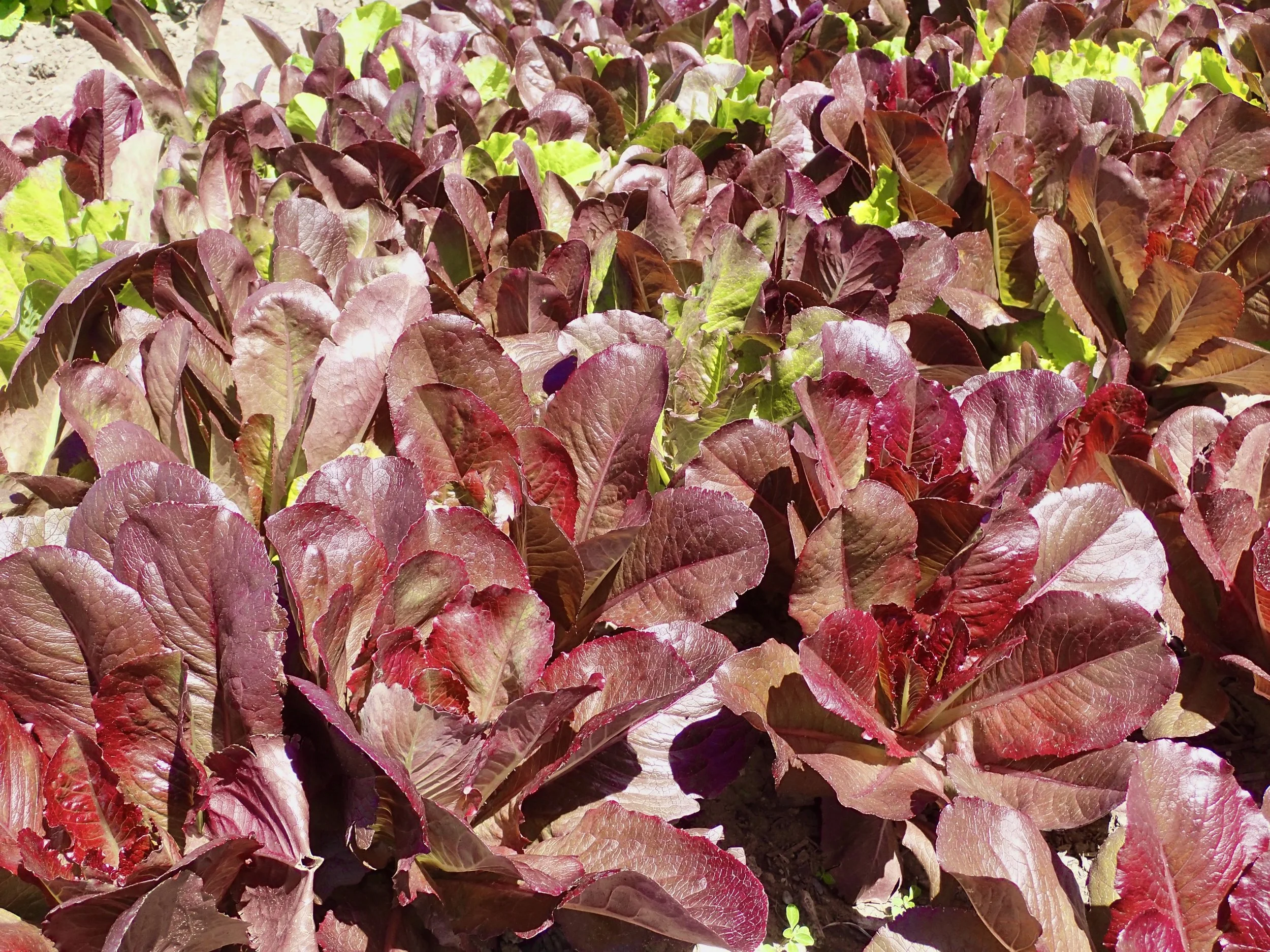
Once you have a general idea of what and how much you want to grow this year, the next question is about seeds. Some plants can be seeded directly in the garden, including greens such as lettuce and spinach, cucumbers, radishes, beets, carrots, corn, beans, and peas.
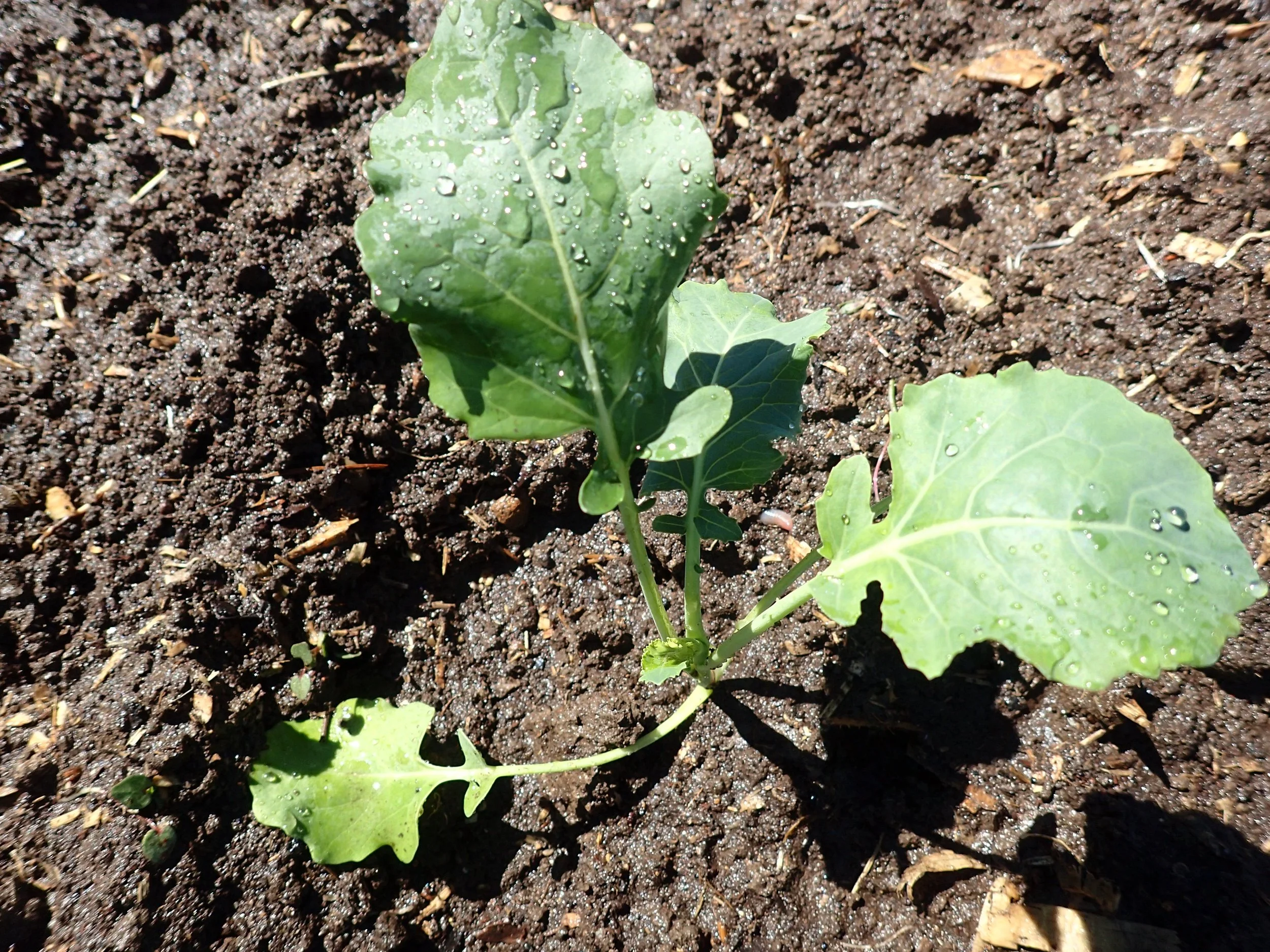
Others, such as tomatoes, peppers, squash, eggplant, herbs (like basil and parsley), broccoli, cabbage, cauliflower, celery, Brussels sprouts, and kohlrabi, do best planted as transplants. Onions can be planted as either sets (tiny onions) or plants.
Corn, Swiss chard, lettuce, spinach, and even beets are typically directly seeded into the soil but can be started early and transplanted. Conversely, it’s often a good idea to seed cucumbers and squash weeks before setting them out to gain a jump on the season.
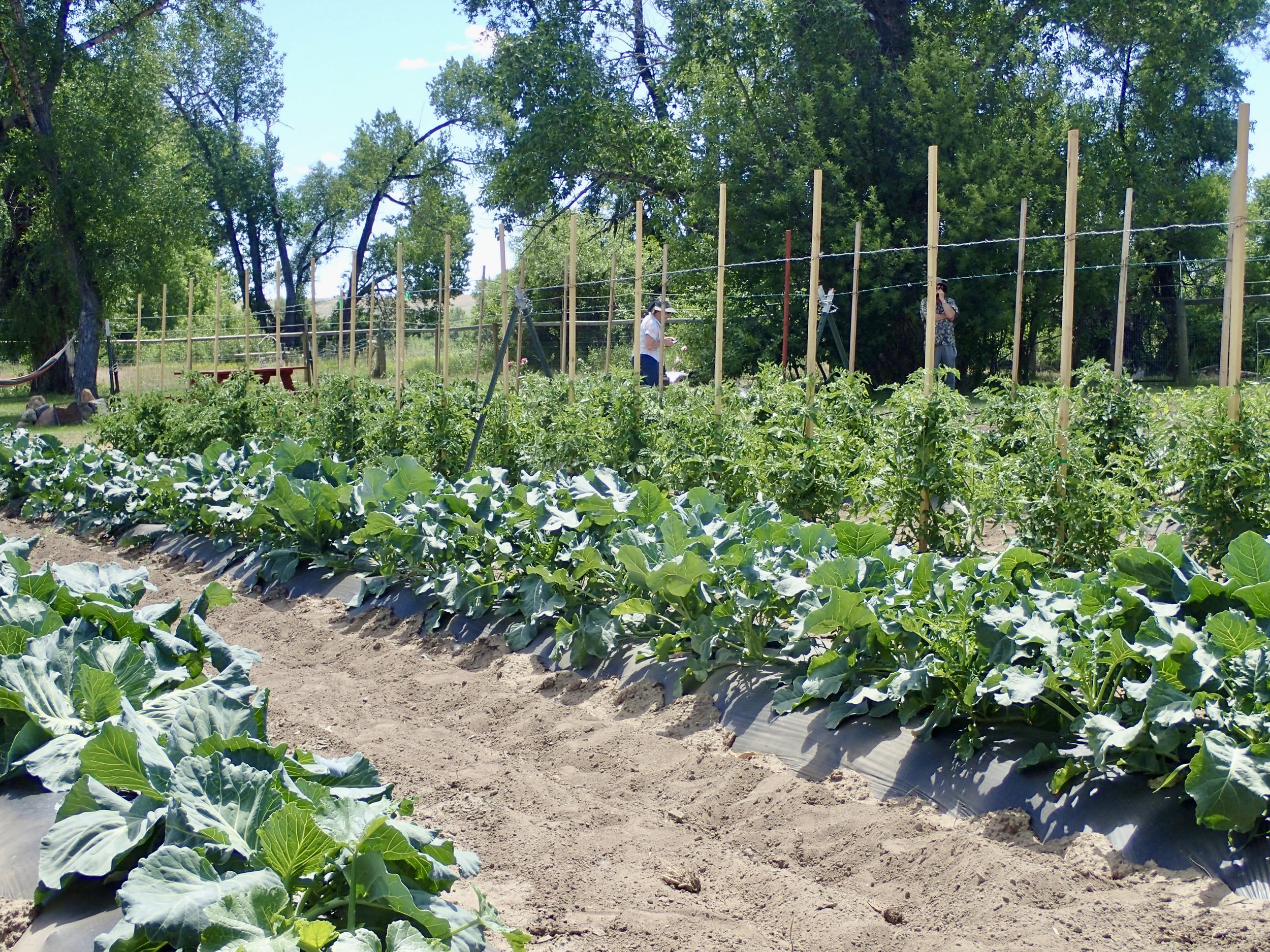
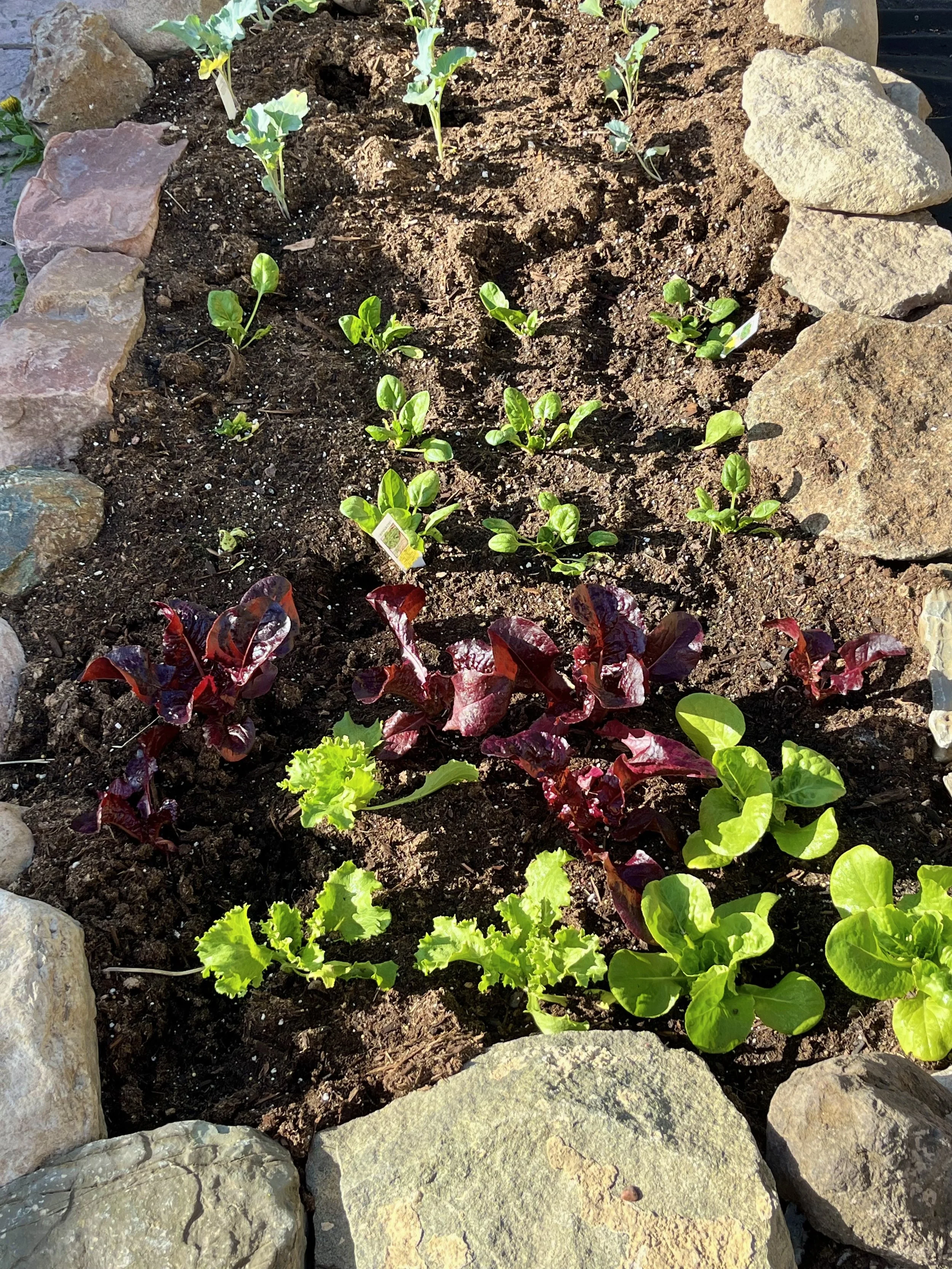
Grow transplants or buy them in the spring:
If you have specific varieties you want to grow, room to do so, and you need more than a plant or two, starting plants is a good option.
If you’re growing a container garden or only have space for a few plants, buying at a local garden nursery in the spring is probably a better option.
Seeding indoors:
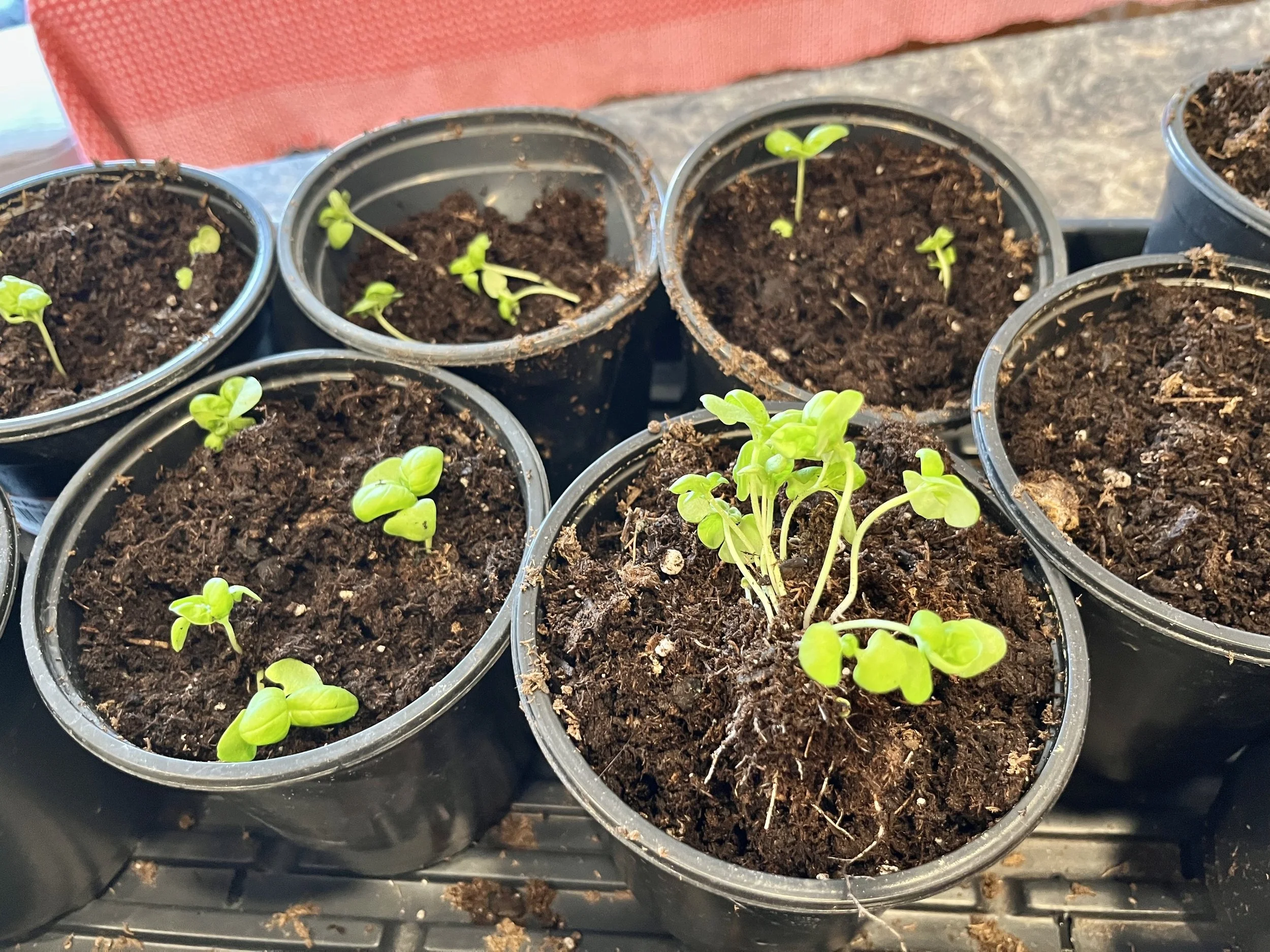
When to start the process depends on what you’re growing. The back of the seed packet contains valuable information about how many days it takes to germinate and how many weeks to wait before planting it in the garden.
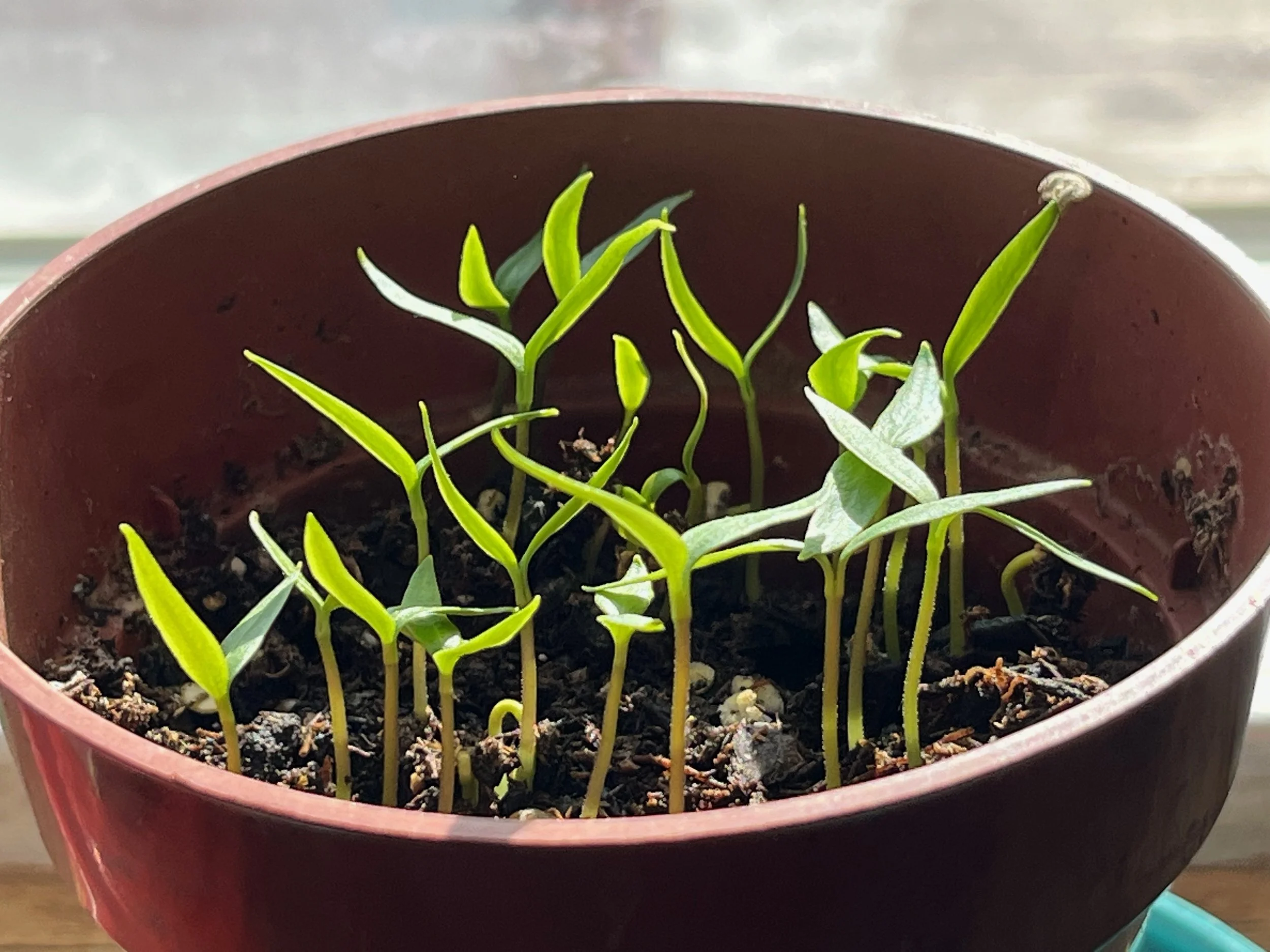
Not everything grows at the same rate. Tomatoes are great for instant gratification because the seeds usually poke through the soil within a few days, while plants such as onions and peppers sometimes take weeks to germinate, and once they’re up, they grow slowly.
Using the calendar, plan your seeding plan. The key to seeding is to plant them early enough to have nice-sized plants to set out in the garden, before they become massive, leggy specimens.
If you have a south-facing window or grow lights, including portable LED lights that clip onto a counter or table, you can start enough plants to stock most gardens. Extra plants, especially free ones, are usually welcomed by neighbors.
With the garden plan in place, the seeds ordered, and the seeding schedule penciled out, it’s a matter of counting the days and basking in the ever-increasing sunlight. Before we know it, we’ll be in the garden again.
Amy’s Garden Calendar
January
Study seed catalogs and plan garden
February
Start onions, peppers and celery
March
Early in the month – start tomatoes and herbs
Mid month – start broccoli, cabbage kohlrabi and cauliflower
Late month – start pumpkins, squash and cucumbers
April
Keep tending plants, garden season is almost here!