The Night of the Grizzlies
An Inevitable, Unthinkable Tragedy
Glacier National Park, 1967
Written by Amy Grisak and Cyd Hoefle
Photography contributed by National Park Service, Glacier Park Archives and Amy Grisak
Fall Issue - 2026
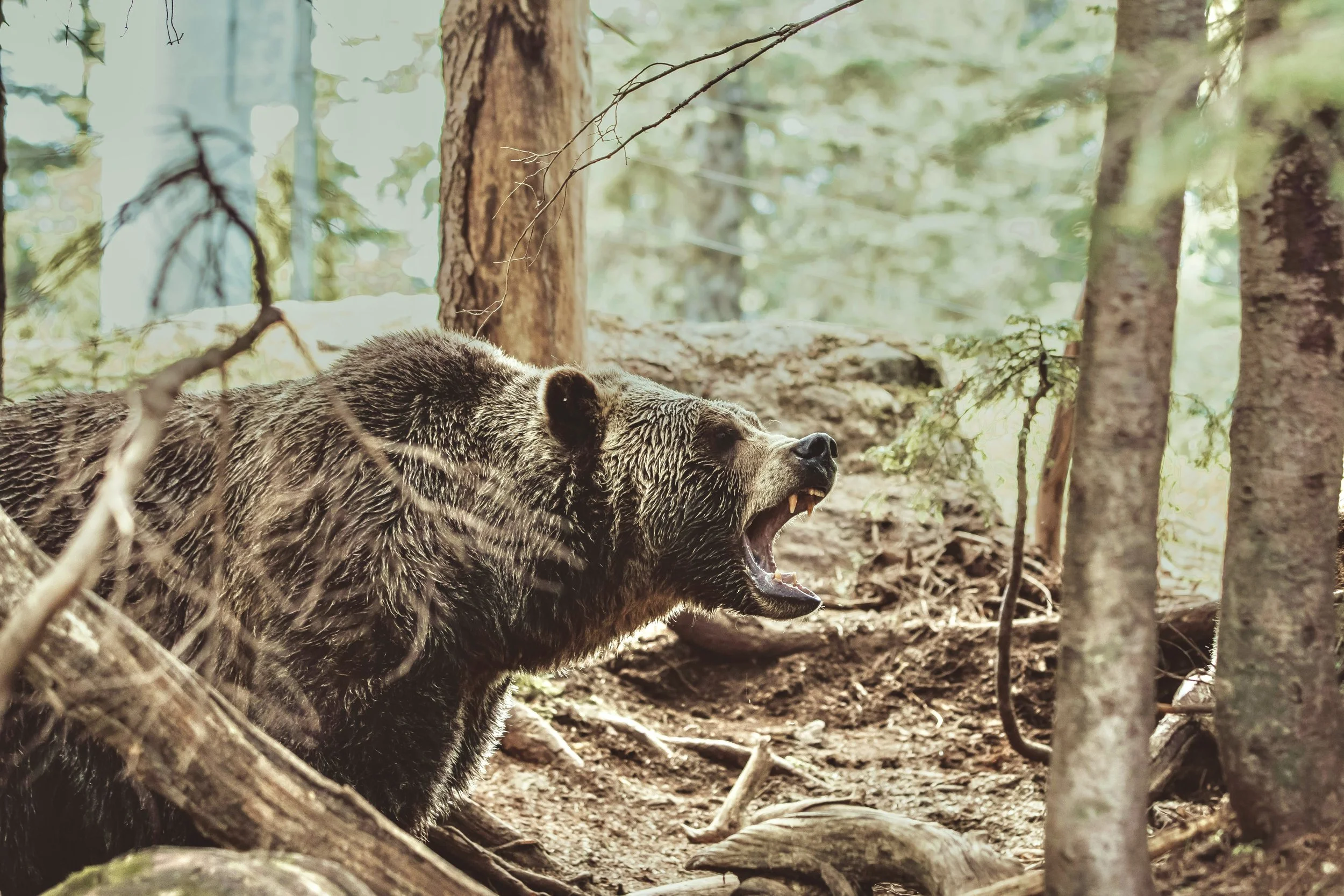
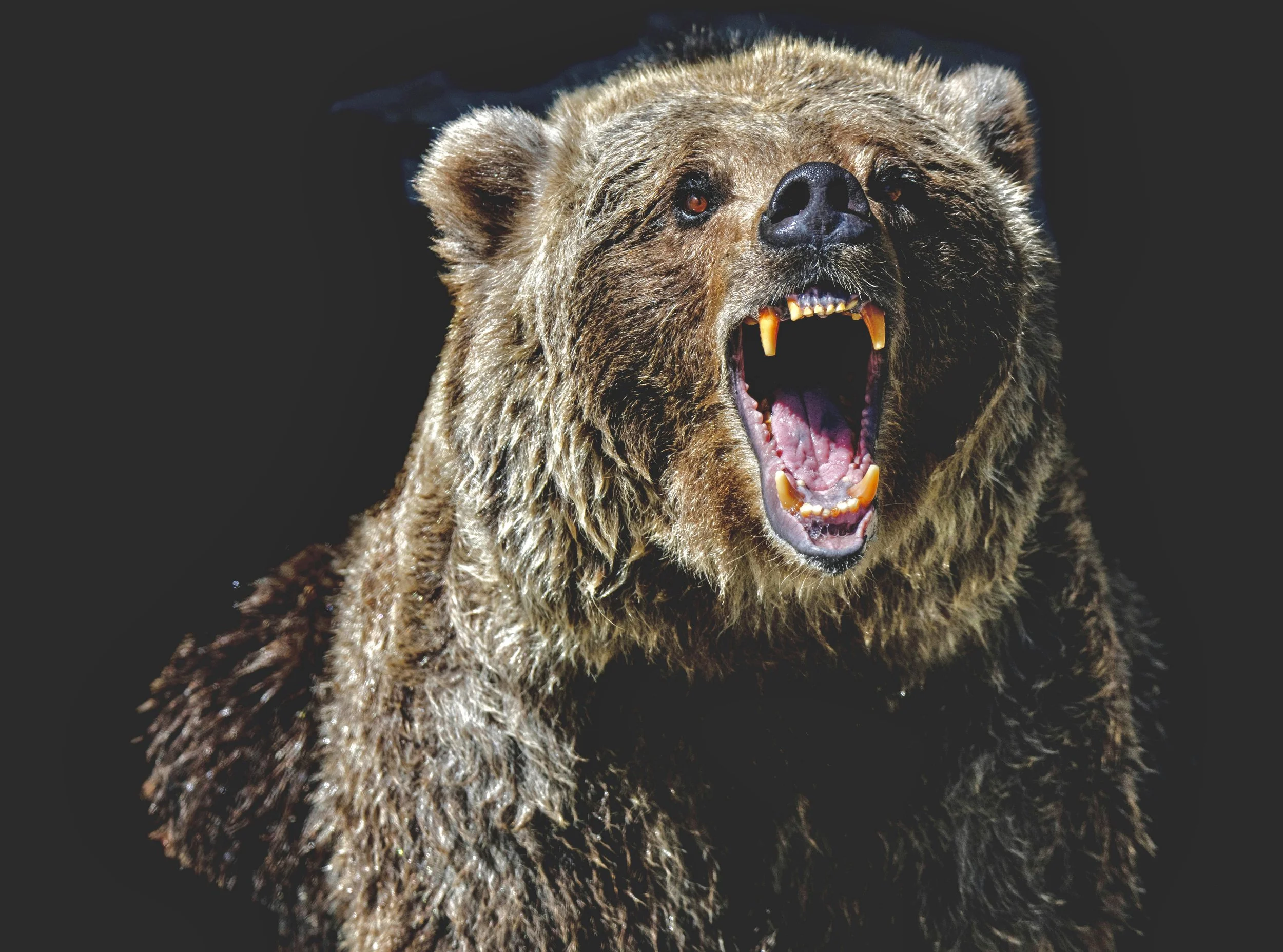
A scrawny, dark-colored grizzly leaned into the trash barrel pulling out a garbage feast, provided unintentionally by the summer residents at Kelly’s Camp. Reports from the camp, a tourist-cabin resort on the west shore of Lake McDonald, were that this bear was not normal. Its hide hung loosely on its large frame, bald spots dotted its spine, and it had an oddly long, almost flattened head. More disturbingly, it was noted the bear frequently flew into unprovoked rage, bashing its body against nearby buildings and then stopping to playfully chase moths before feverishly knocking over garbage cans. This “crazy acting bear” held no fear of people.
“When his illness makes him go berserk, we’ll do something about it,” one official told the summer residents.
It was the summer of 1967 and along with the growing number of strange bear behavior stories, it was hot and dry in Glacier National Park. Recent lightning storms had sparked numerous fires in the dry landscape which cast a chalky pall through the mountain valleys. Berry patches where bears frequently fed were dried up and bears, desperately looking for food, rummaged through garbage left by campers and ransacked campgrounds and cabins.
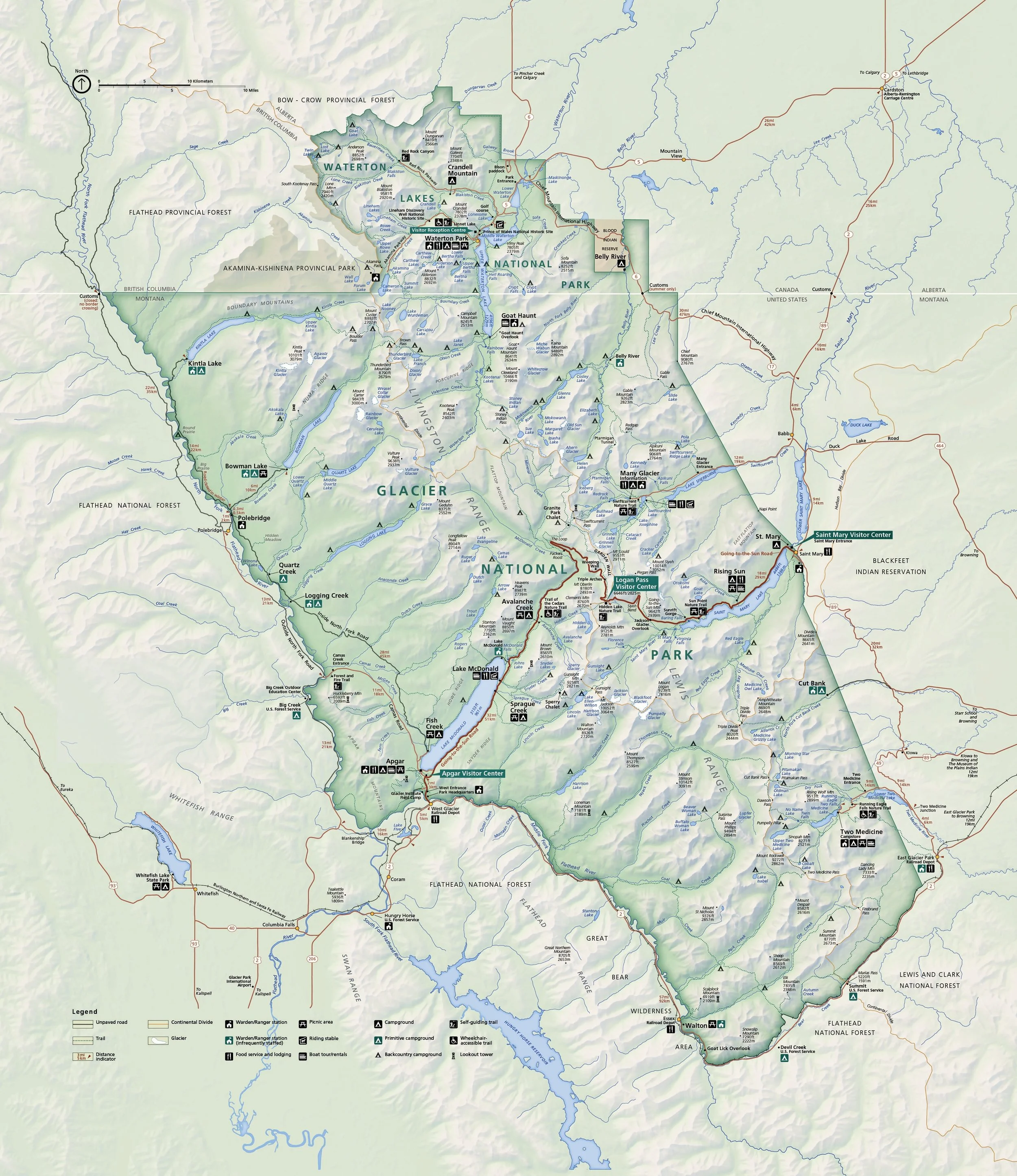
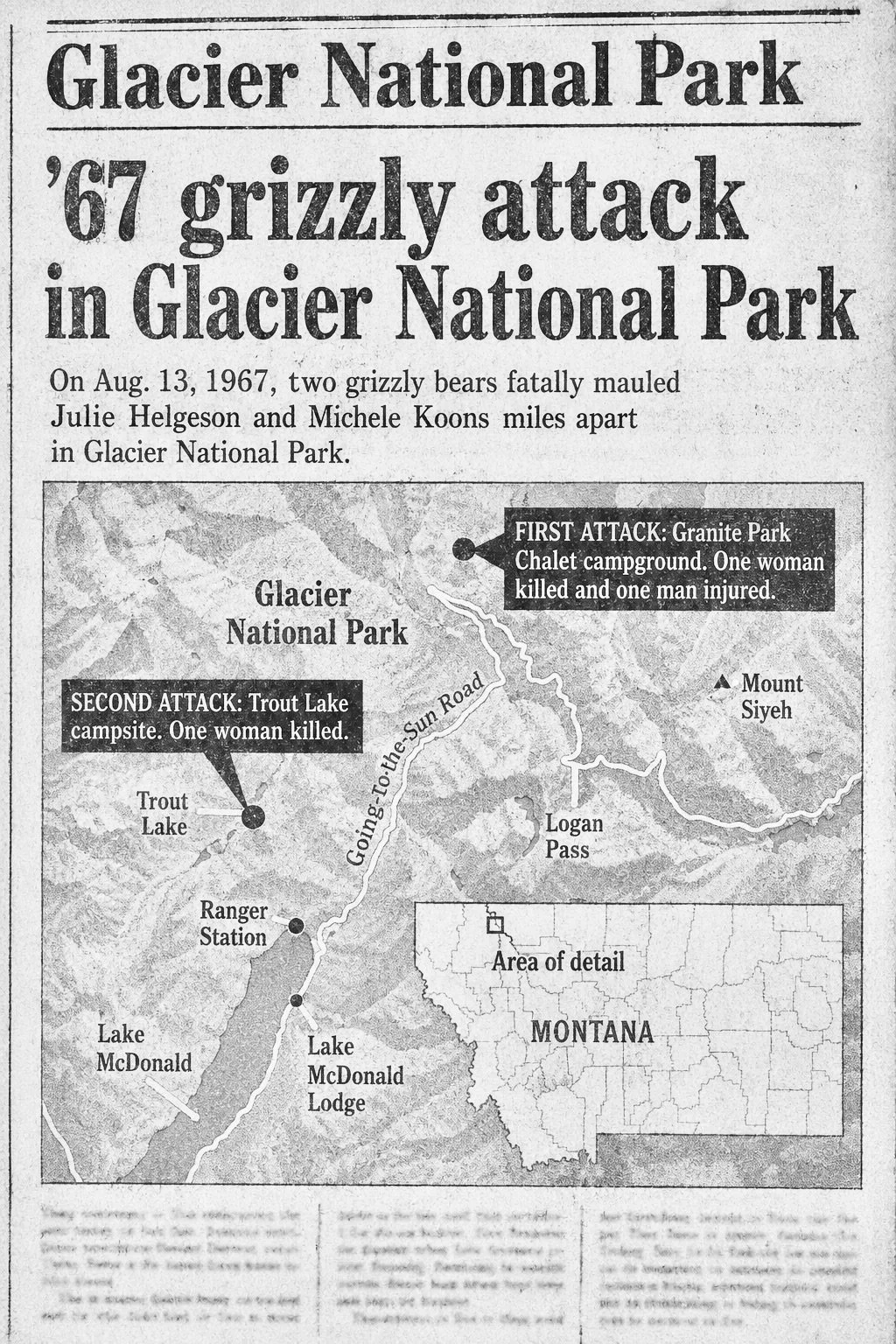
On August 5th, six girl scouts and their two leaders arrived at the lakeshore of Trout Lake, just over three miles northwest of Kelly’s Camp. The lakeshore reportedly was strewn with litter and debris - leftovers from a summer of careless campers. Tattered clothing, garbage piled under trees and food cans riddled with tooth holes were scattered near their intended camping spot.
Despite the conditions of the camp and stories of bears frequenting the area they decided to make camp anyway and enjoyed a beautiful lakeside evening. But the mood changed drastically the next morning when the troop came to the horrifying realization that a bear had not only entered their camp during the night but had stepped on one of them. Later that afternoon a gaunt and aggressive grizzly returned to ransack their camp. The harried group fled down the trail to safety.
Three days later, Park Rangers Dave Shea and Bert Gildart hiked the steep Granite Park Trail, (which runs from the Loop on Going-to-the-Sun Road) on their way to Granite Park Chalet to check on reports of the increasing grizzly activity in the area.
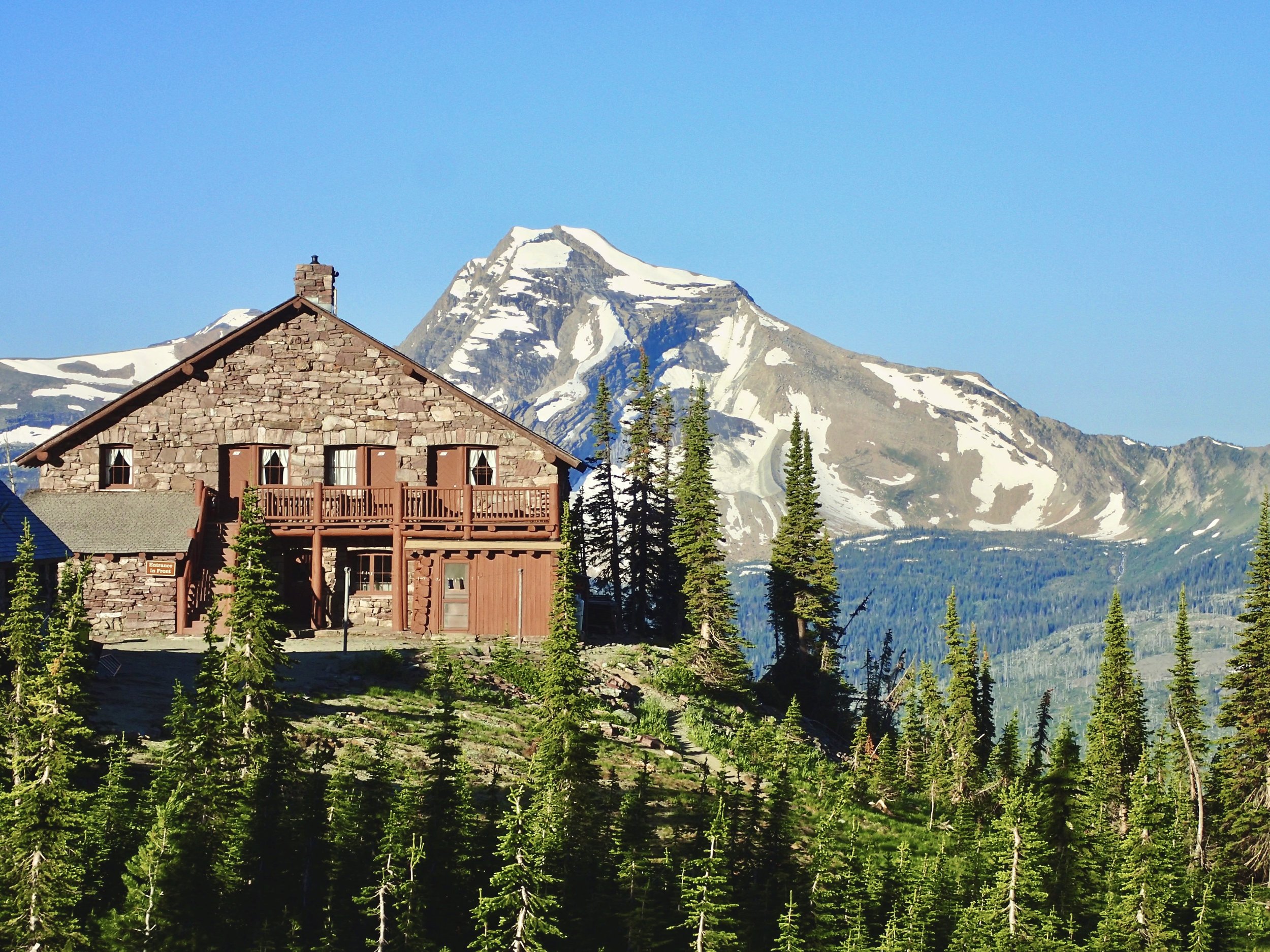
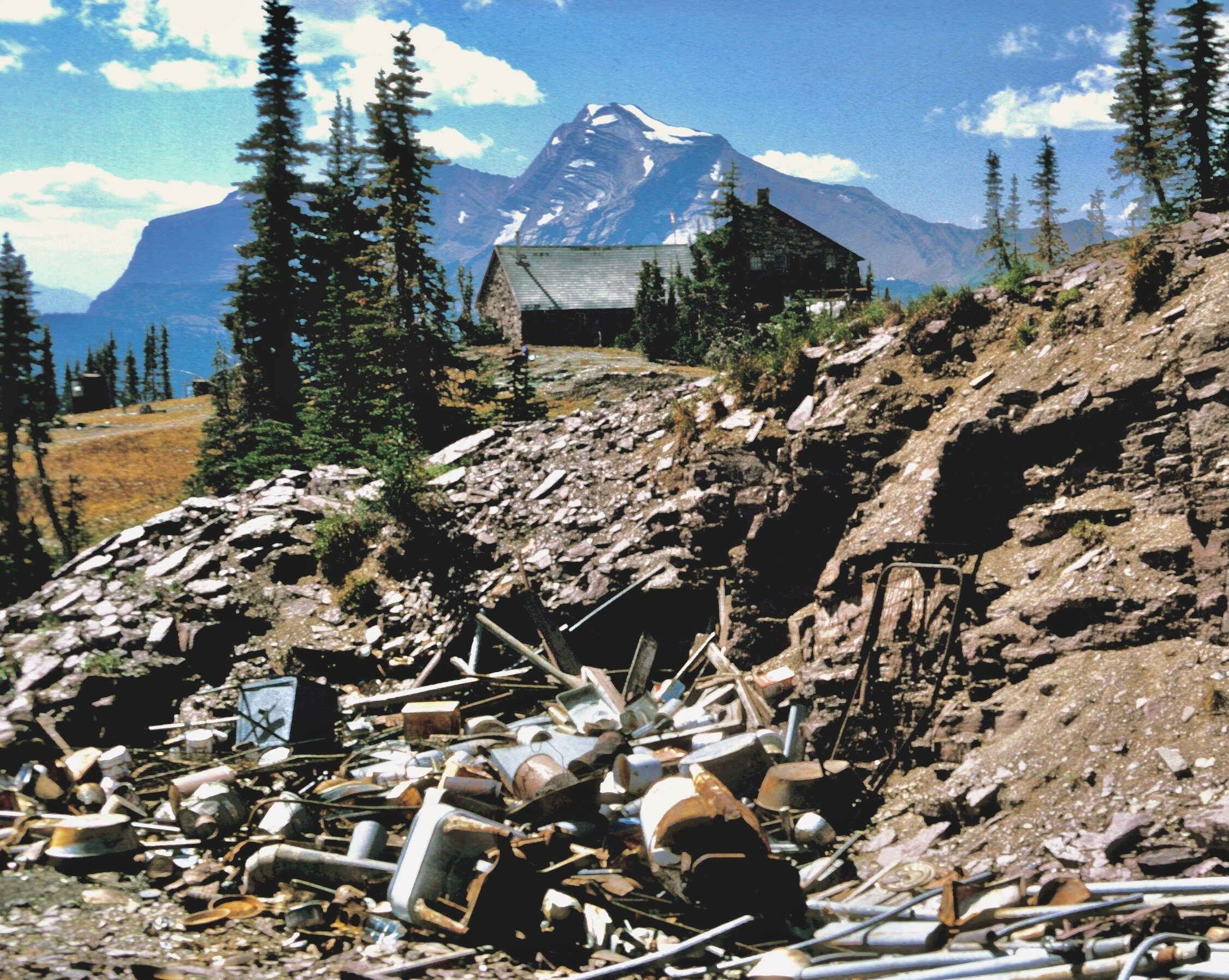
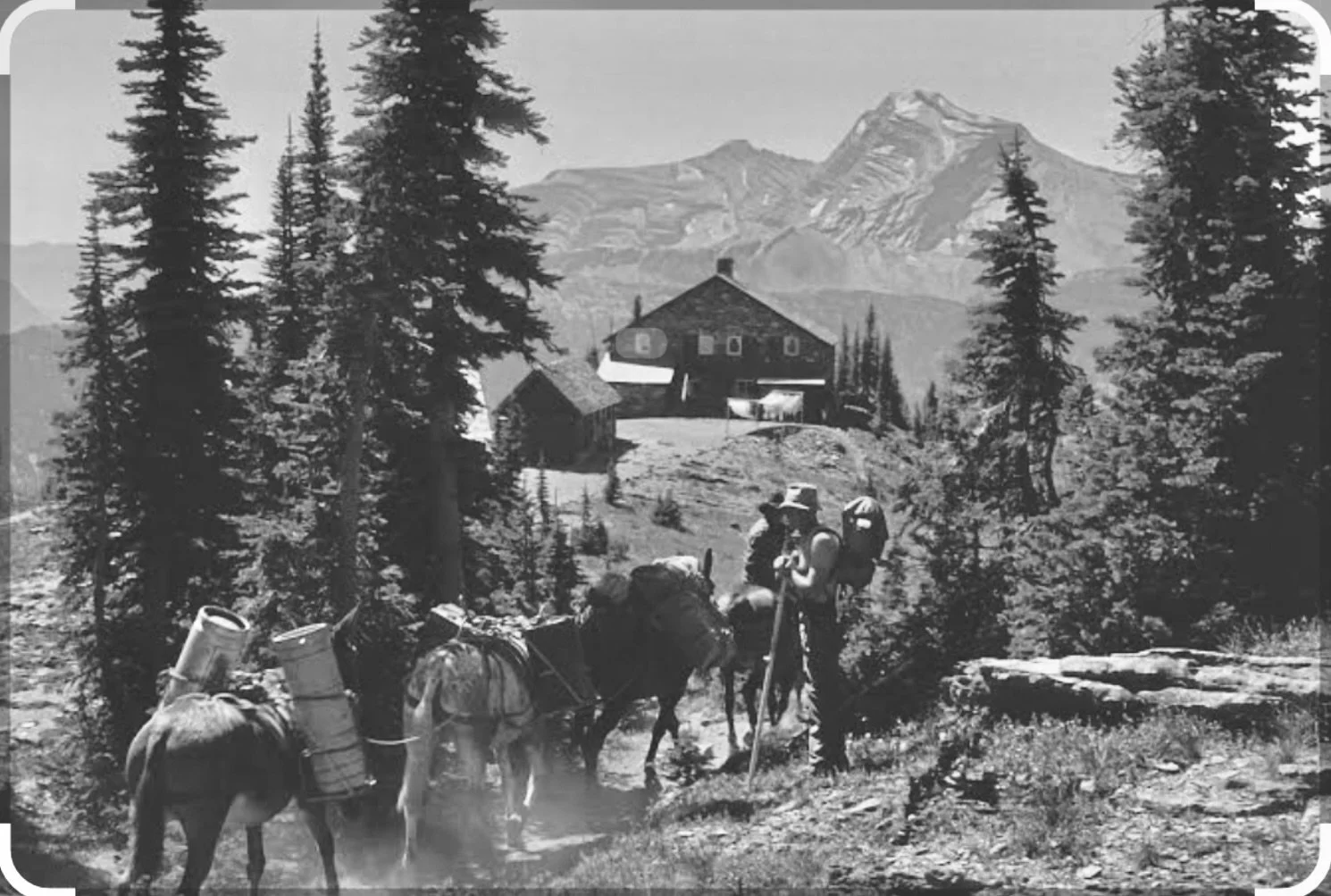
Perched at 6,692 feet, Granite Park Chalet dates back to 1915 when it was built as a rustic back-country lodge for hikers to overnight. By 1967 the Chalet was constantly filled with guests who rented a room or rolled out their sleeping bags on the floor for $12.50 a night, including three meals.
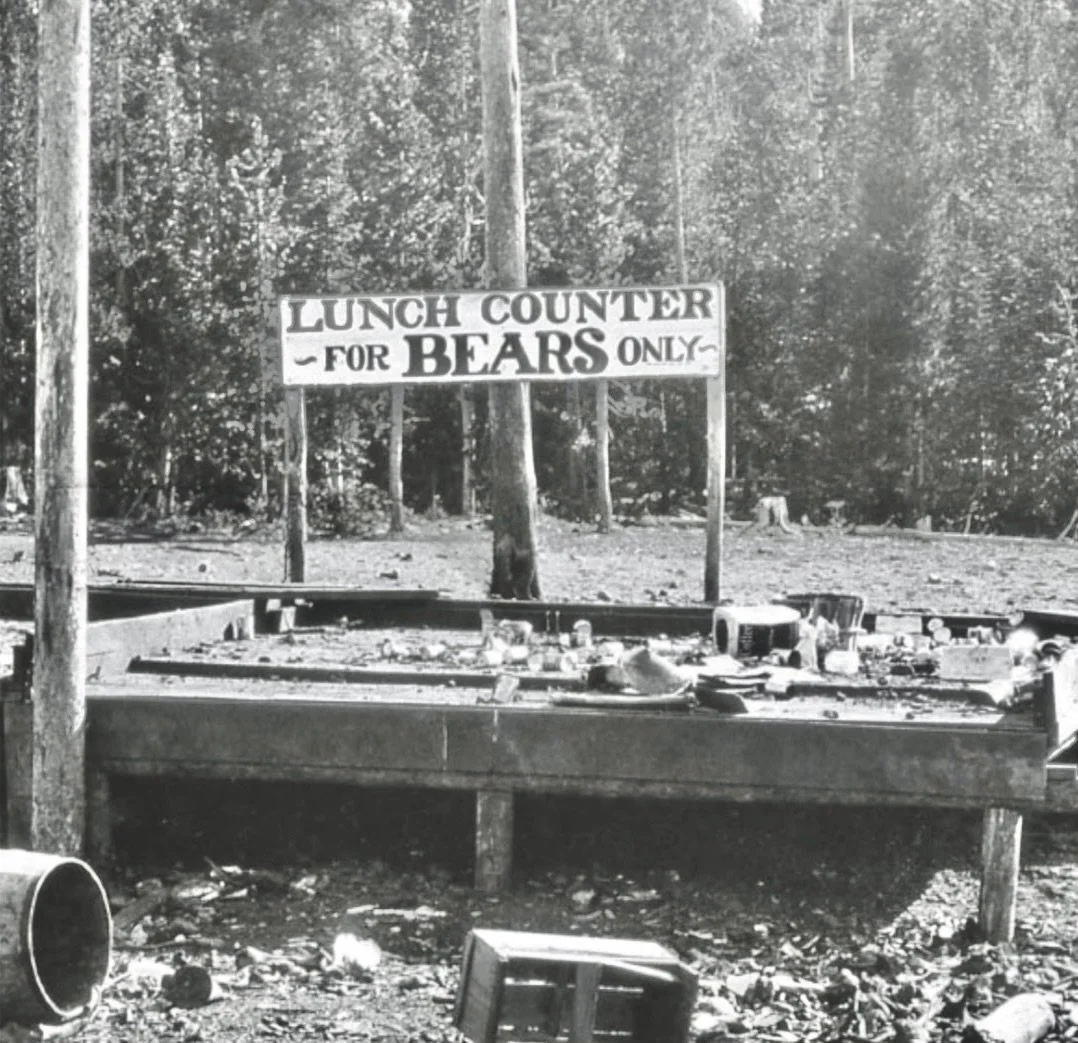
As visitations increased, so did the amount of garbage. An incinerator was used to burn the waste, but it wasn't large enough to keep up with the growing waste. So the staff began the daily habit of hauling pails of kitchen scraps to a gully less than 100 yards behind the chalet and dumping them. Before long, the free food attracted a couple of grizzlies, and the pair became a nightly attraction. Visitors enjoyed gathering on the porch to watch the bears feed and, at times, fight each other.
During Ranger Dave and Bert’s visit, they witnessed the two regular feeders, and when they had their fill and left, a sow and two cubs crept onto the dump. Shocked and annoyed by the baiting, the rangers knew the danger of human conditioning being done to the bears and their gut instinct was something bad was going to happen.
“They were literally luring the bears in so people could see them,” Dave, a park ranger for 37 years recalled. “Bert and I agreed it was pretty much a tragedy waiting to happen. Four days later it did.”
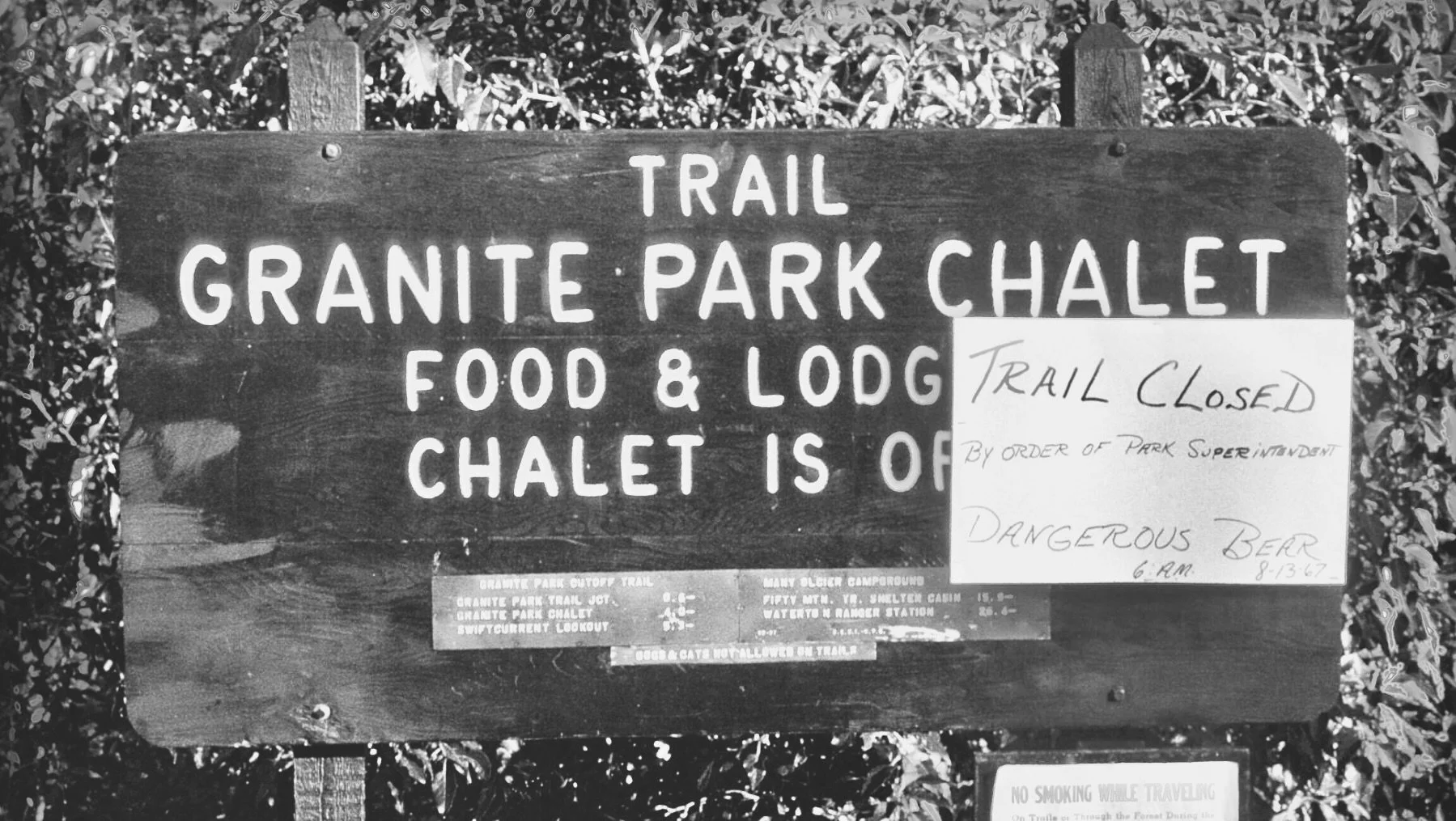
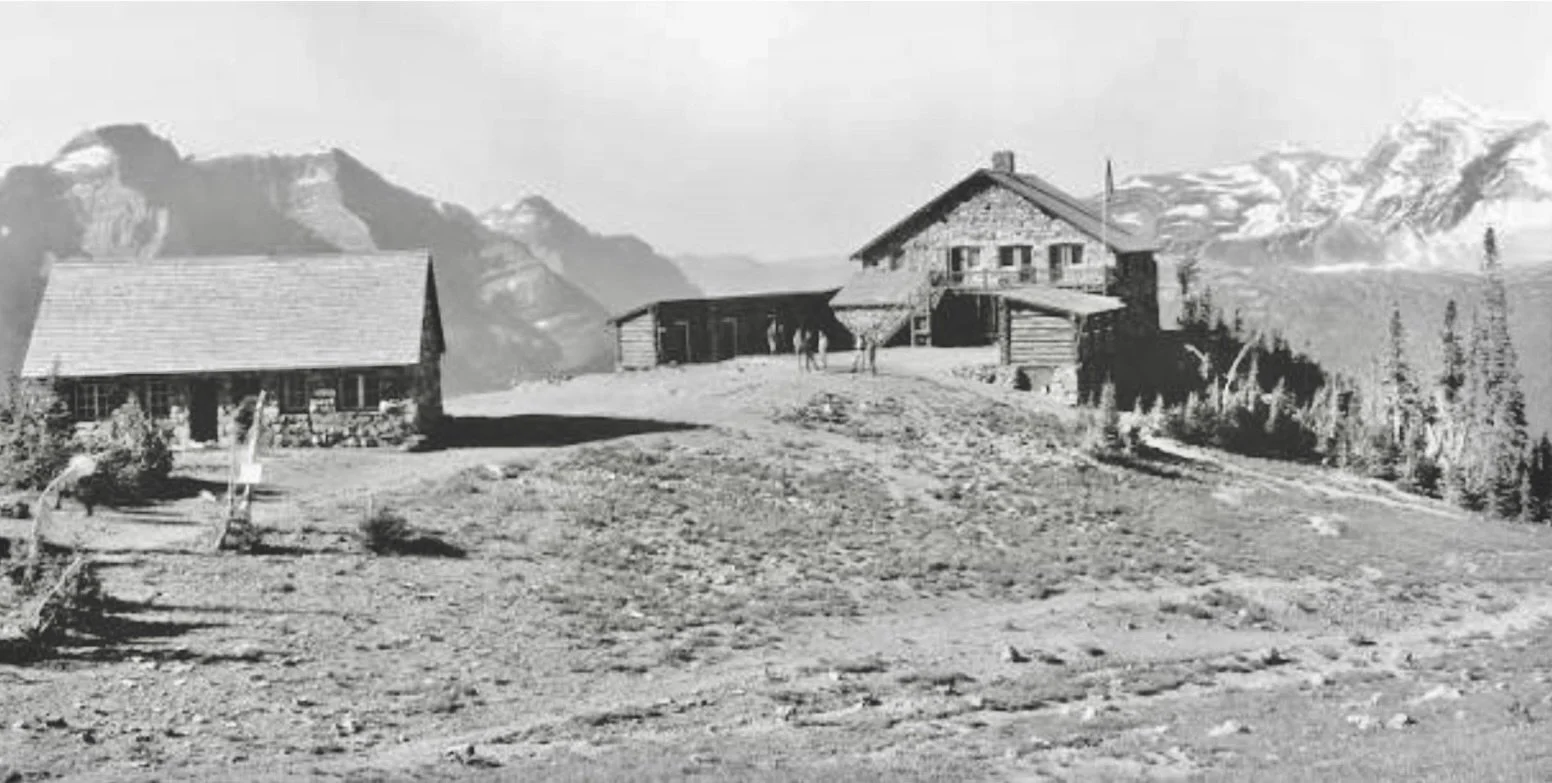
On August 12th, Julie Helgeson (19) and Roy Ducat (18), Park employees, spent the day hiking from Logan Pass along the Highline Trail, hoping to stay at Granite Park. Finding the lodge full, they settled on a camping spot a few hundred yards below the Chalet. It was Julie’s first chance to go camping in Glacier that summer and despite warnings that the camp site was situated along the grizzly’s nightly path, the friends watched the sunset together, then climbed into their bags.
Eight miles southwest of Julie and Roy’s campsite, and on the other side of the Livingston Mountain Range, another five young park employees had spent the day hiking the hot, hazy trail from Lake McDonald to Trout Lake. They had been told a grizzly was hanging out in the area, but set up camp anyway and spent the afternoon fishing in Trout Lake.
At dusk, a brazen grizzly charged into camp sending the small group scattering to the lake. The bear rummaged through their camp - tearing up gear and stealing food, before eventually wandering off. Faced with nightfall and the uncertainty of trying to hike out in the dark, the group decided to stay the night. In complete darkness, they moved their gear to the shore of the lake, built a bonfire on the beach and, hoping the flames would deter the bear, they circled the fire and crawled into their sleeping bags.
Back at Granite Park, shortly after midnight, a grizzly approached Julie and Roy’s campsite and aggressively attacked the terrified campers, knocked them out of their sleeping bags, and sank his teeth into Roy’s right shoulder.
“PLAY DEAD!,” Julie yelled to Roy, remembering the Park’s instructions when encountering a bear. Then the bear turned on her. Attacking back and forth between the two, it bit Roy’s body repeatedly until he was limp “from playing dead.” The bear jumped back on Julie, grabbed her by the arm and started to pull her away from camp. Her frantic screams “HELP ME ! HELP ME!” could be heard as the bear drug her down the mountain into the darkness of the night.
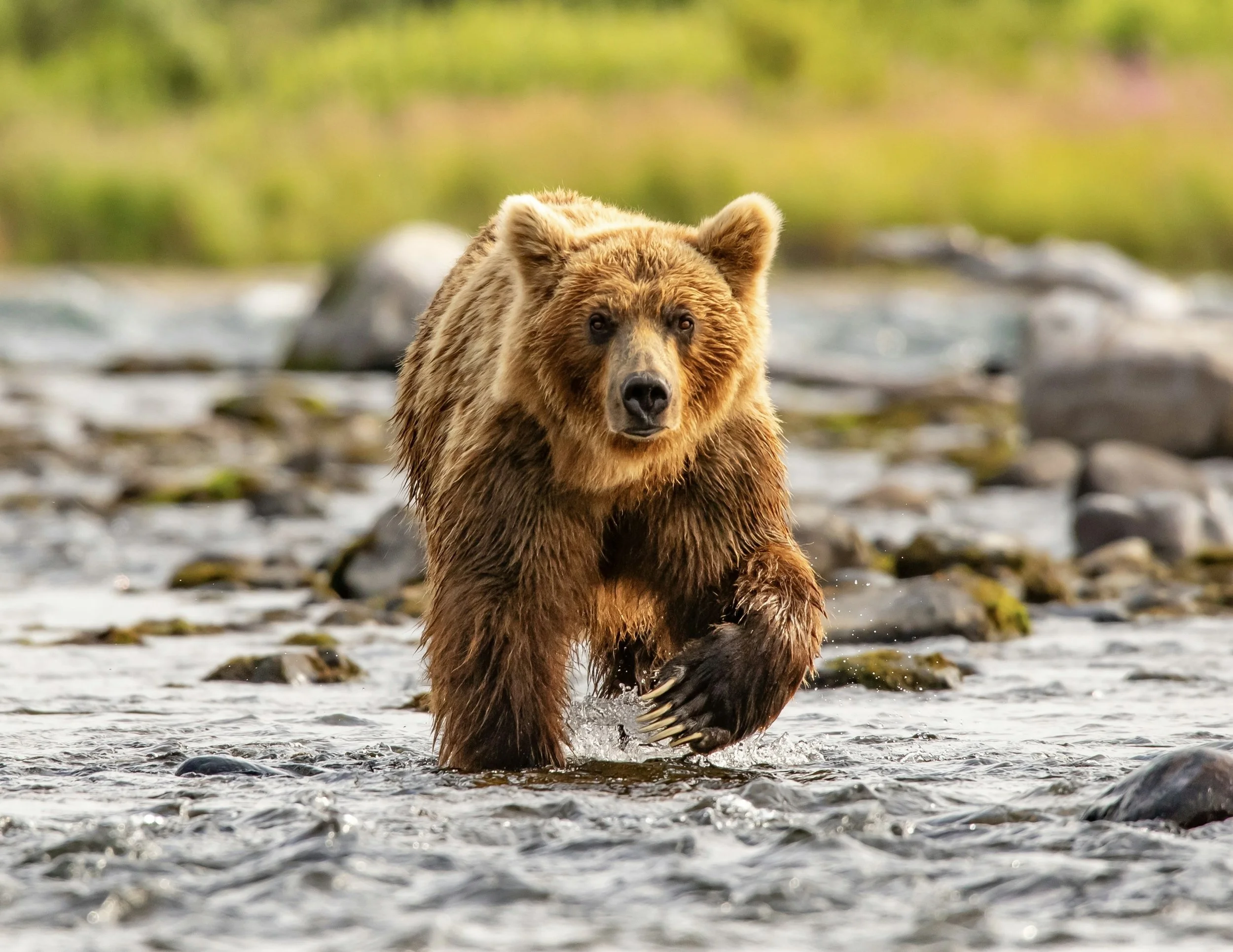
Julie’s anguished cries for help woke campers closer to the Chalet. Roy, badly injured and in shock, staggered up the trail for help and found Robert and Janet Klein and Don Gullet, who had heard Julie’s cries. The Kleins began shouting for help toward the Chalet while Don wrapped Roy in his own sleeping bag. Despite his need for medical attention, Roy kept insisting they find Julie. “Don’t worry about me,” he cried over and over, “Please find Julie.”
At the Chalet, 22-year-old Joan Devereux, a Park Naturalist, sprang into action and took charge. She gathered a search party and started down the trail toward the Kleins and Gullet. As they approached, they could hear Roy, in shock, still screaming “Bear, Bear.” Upon arriving, Joan and the others quickly understood the gravity of the situation - Roy needed immediate medical attention and there was still another bear victim out there in a desperate situation.
Joan made a desperate call for help on the emergency radio. Supervisory Ranger Gary Bunney intercepted her call at West Glacier and quickly notified Helicopter Pilot John Westover, a seasoned pilot and Vietnam Veteran. They immediately took off in a small Bell helicopter. Without instrumentation, flying in the pitch-black night while skirting mountain peaks, they miraculously made the emergency nighttime landing near the chalet, assisted by small fires Joan and several guests had built in a clearing to guide the chopper.
When John landed the Bell, Gary jumped out with his .300 Winchester Magnum, and Roy was loaded onboard to transport to the hospital. As the helicopter left, Gary joined a group setting off to find Julie. A trail of blood led downhill from their campsite. Drug over 300 feet, the rescuers found Julie terribly injured and barely alive. “It hurts,” she muttered. The rescuers carried her to the Chalet where the dining room had been readied as triage. Among the guests that night were three doctors, including surgeon Dr. John Lipinski, and his wife, Ann, who was an RN. Tragically, without transfusion supplies and proper medical equipment, it was a desperate situation. When there was nothing more to be done for her, Father Connolly, a young priest and guest at the Chalet, comforted her. “God loves you. Do you know that?” he whispered to her. They would be the last words Julie heard, as she passed away, at 4:12 a.m.-just moments before the helicopter returned.
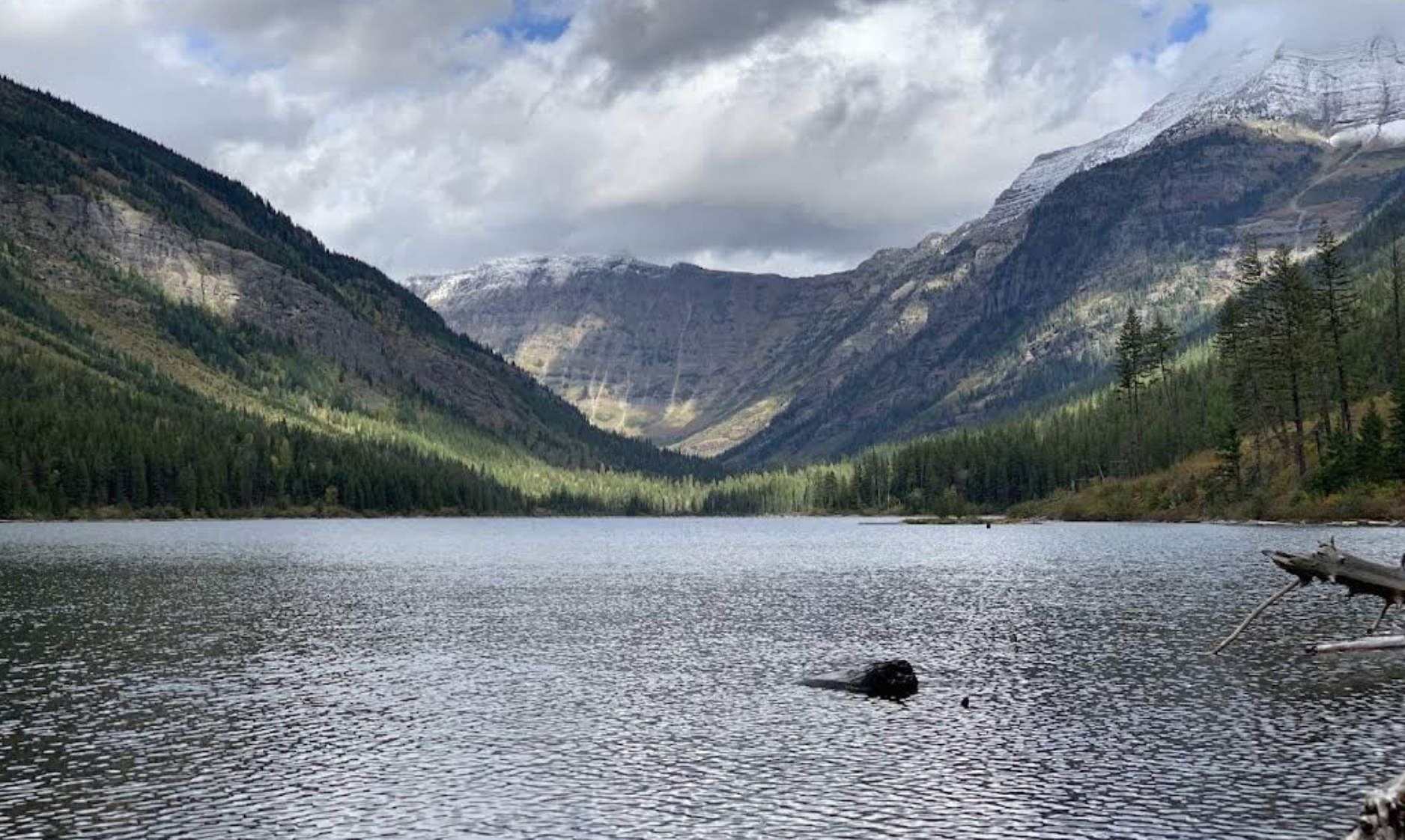
TROUT LAKE
At almost the exact time back at Trout Lake, the group of weary campers finally dozed off around the protection of the bonfire. But just after 4:00 a.m., with the fire close to embers, the grizzly loped back into camp and began tearing into packs, then turned on the campers and ripped into their sleeping bags.
Yelling and screaming, terrified for their lives, the campers scrambled out of their bags and made a run into the darkness. Four of them scrambled up nearby pine trees but when they realized that nineteen-year-old Michele Koons was not with them, they frantically shouted to her, “Get out of your bag and run for it!”
But her sleeping bag zipper was stuck.
“He’s got my arm! Oh God! I’m dead,” Michele screamed.
Horrified and helpless, the surviving campers later said they saw the bear lift the bag and drag her away. In the distance they could hear the horrific sounds of the bear mauling Michele. Then silence. Petrified, they waited in the trees for dawn and in an adrenaline-rush raced for help.
It was shortly after midnight on August 13, when 26-year-old Lake McDonald Ranger Leonard Landa heard the frantic calls of Joan Devereaux reporting a mauling at Granite Park over the emergency radio. He listened to the exchange of conversation between Joan and Ranger Bunney. It was shocking news and became even more shocking several hours later, when the four terrified campers from Trout Lake burst into his cabin reporting another bear attack. In utter disbelief, he realized that the two grizzly attacks happened hours apart in two entirely different locations.
Landa and the campers hiked back to Trout Lake to try to find Michele. A blue jacket, a blouse and sleeping bag feathers were found at the lakeshore camp. Michele’s body was found forty feet away, so savagely mauled she was unrecognizable.
The next day, Ranger Bert Gildart joined Landa with instructions to “Shoot any and every bear that you see.” The duo spent the night in the nearby Arrow Lake cabin. Stepping outside in the early morning, Bert spotted a bear that, instead of running, crept closer using a stream bank for cover before charging both men. A lifelong hunter, he shot the grizzly at roughly 30 feet. The bear reared back, then rolled back down the bank. Landa shot it a second time.
A forensic report showed a 20-year-old sow weighing only 200 pounds, fitting descriptions of her being horribly emaciated. She had human remains in her stomach.
At Granite Park, Ranger Dave Shea and three federal employees eliminated the grizzlies that were feeding in the garbage dump. One of the sows had human blood on her claws, an indication she was likely responsible for Julie’s death.
Investigators concluded that the two grizzlies that attacked and killed the two young women on the same night was due to poor garbage management at Trout Lake and Granite Peak Chalet, which had conditioned the bears to seek human food, and tragically, the victims were in the wrong place at the wrong time.
The deaths spurred federal land managers to adopt vastly different policies to manage the storage of garbage and food. These policies have helped humans and grizzlies co-exist today. Nearly 60 years later, every visitor — and every bear — in Glacier National Park benefits from the lessons learned that terrible night.