The Final Farmer’s Almanac
A Two-Hundred-Year-Old Tradition is Laid to Rest
Written and Photographed by Amy Grisak
Winter Issue - 2026
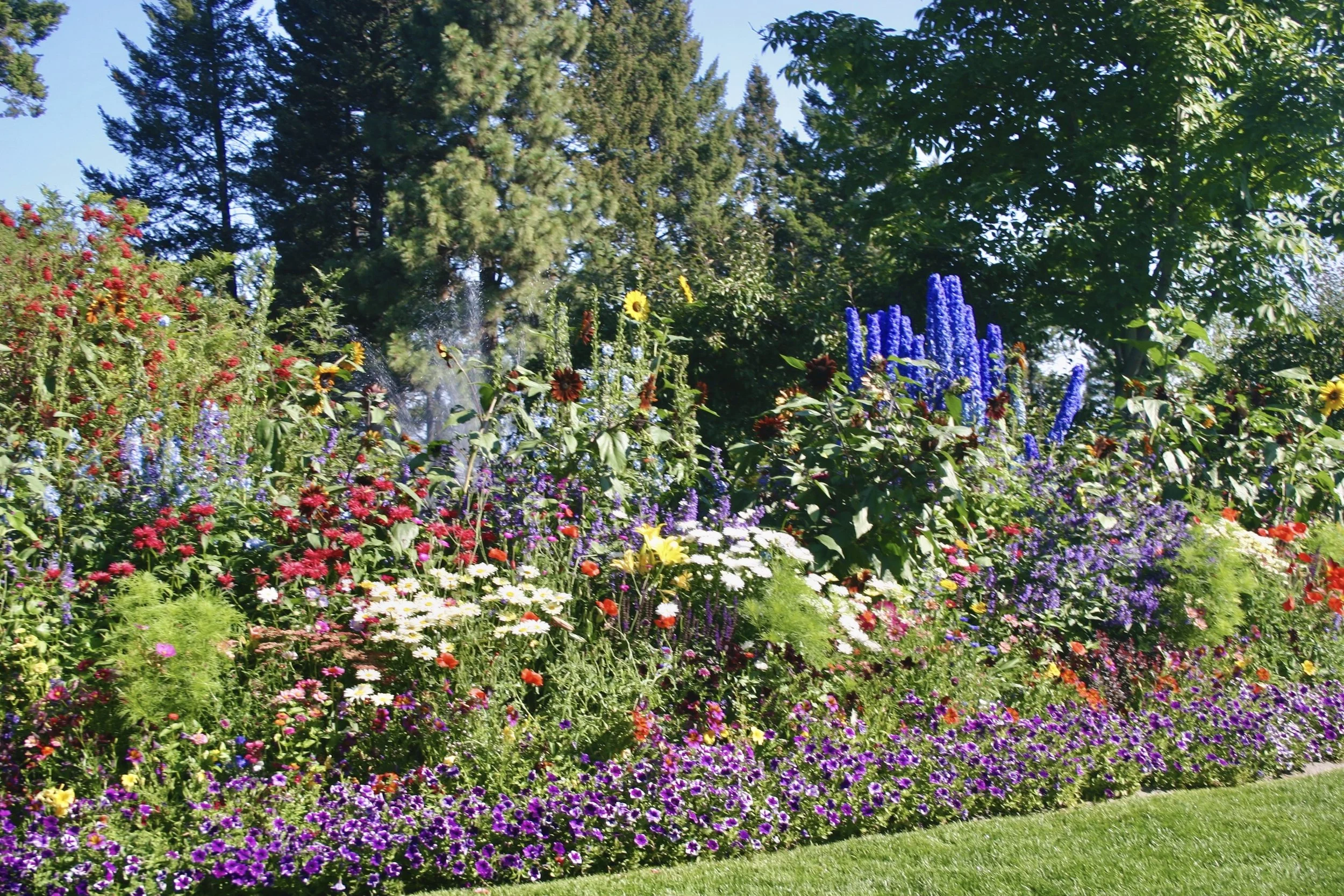
For as long as I can remember, the bright orange Farmers‘ Almanac has been part of my family’s life. My dad picked up a copy every year at Gamauf’s Hardware, and it was always kept at hand.
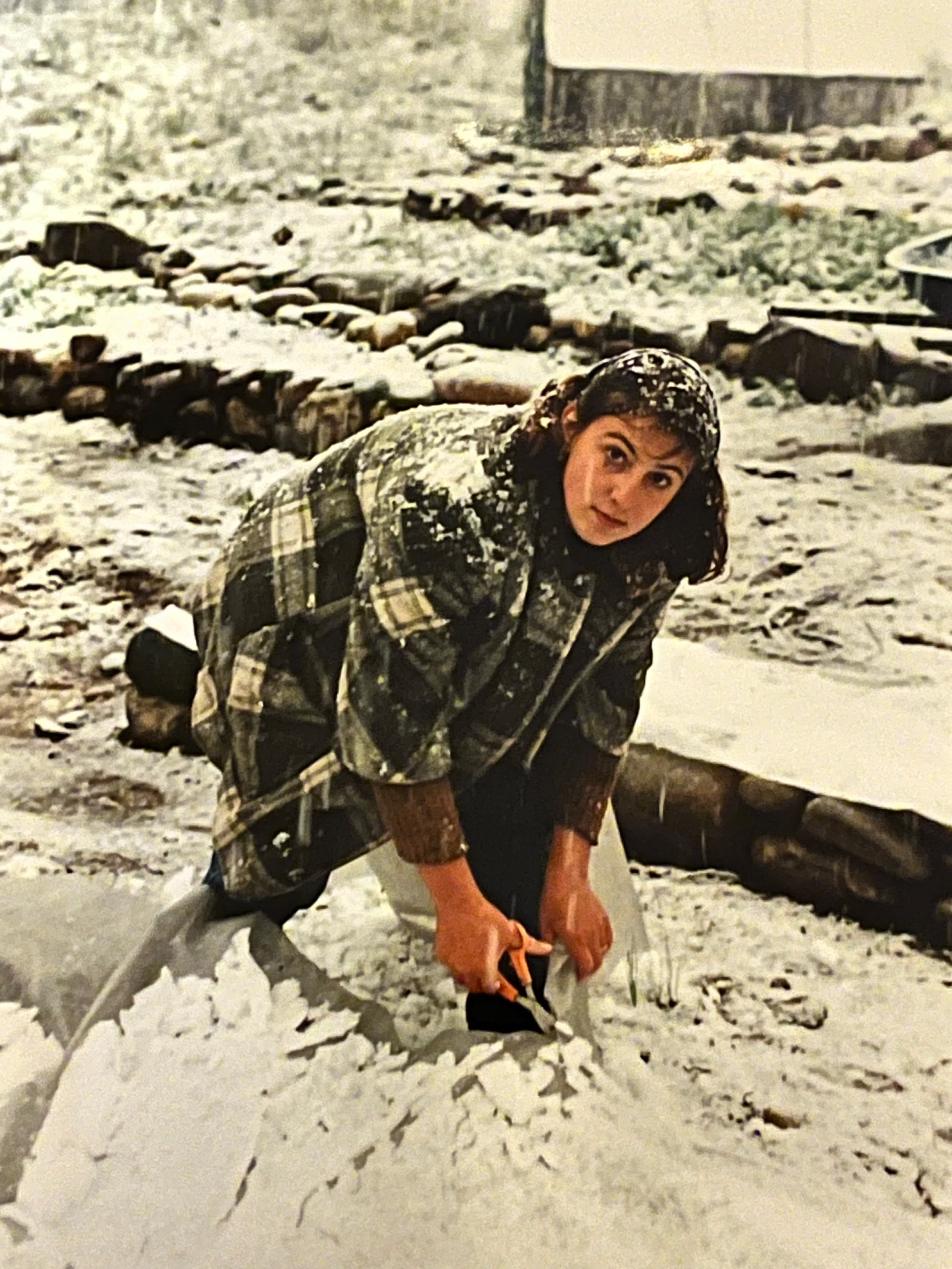
When I started gardening around age 10, I studied the “Best Planting Days” charts that listed whether it was time to plant root or above-ground crops, prune trees, or perform a number of other gardening tasks. There were even recommendations on the best or worst times to ask for a loan, castrate farm animals, hunt, buy a home, and, of course, fish. Honestly, I’ve lost track of the days we’ve been skunked fishing when we fished on days not on the list.
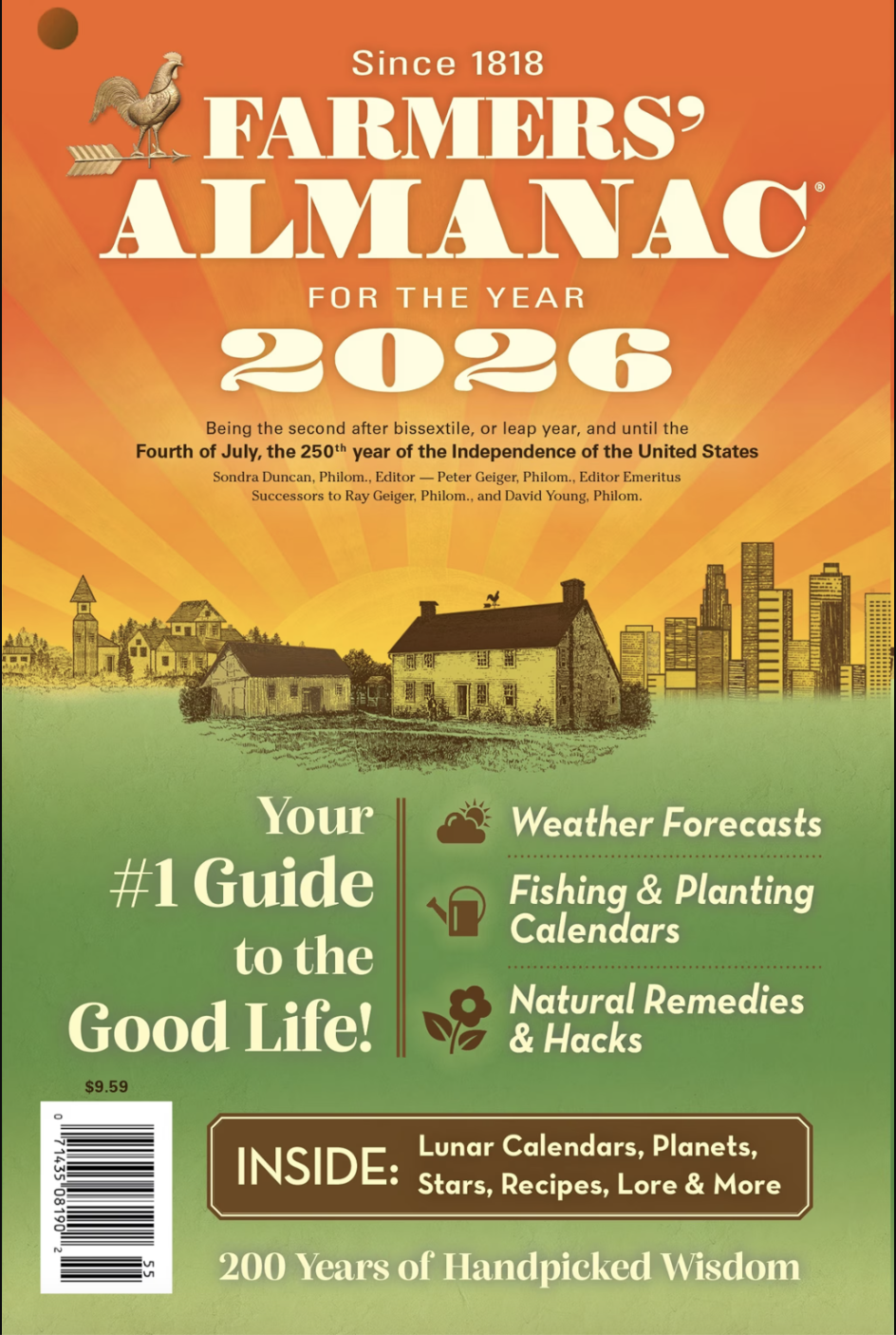
According to the Farmers’ Almanac, the days for all the activities listed are based upon the moon phase and place in the Zodiac. This might seem pretty woo-woo, but folklore and natural observations have long guided people’s activities, and a lot of people put a fair amount of credence in the recommendations.
My dad, a teacher, was always one of the more scientific-minded folks I knew and surprisingly adhered to the Farmers’ Almanac’s “best days” list, especially when it came to planting. He kept careful notes, and over the years proved to himself that planting on those dates made a significant difference in germination. In early spring, he seeded the garden vegetables according to the Almanac's recommendations.
Besides helping to plan projects around the farm, the Farmers’ Almanac has always been one of those publications offering age-old advice. It’s one of the few print publications I hang on to over the years. Whether you need a recipe for switchel, also known as “haymaker’s punch” and is the OG (old gangster) of sports drinks, want to learn ways of long-term storage of garden crops when refrigeration isn’t an option, or discover a few tidbits of meteorological lore - at some point in the 200+ years, the Farmers’ Almanac covered it.
My favorite aspect has long been weather forecasting. I immediately open to the general forecast, then scour the months to find potential dates to plan activities. Although people often teased me about doing this, I’ve had many folks casually ask me, “So, what does the Farmers’ Almanac say about that time?”
Granted, the forecast isn’t terribly specific. Our area, the North Central Region, covers ten states, including Montana, Minnesota, Missouri, and Colorado. The weather between Great Falls and Billings can be a night and day difference at any given time, but the Almanac offers us generalities, and they report roughly an 80 percent accuracy.
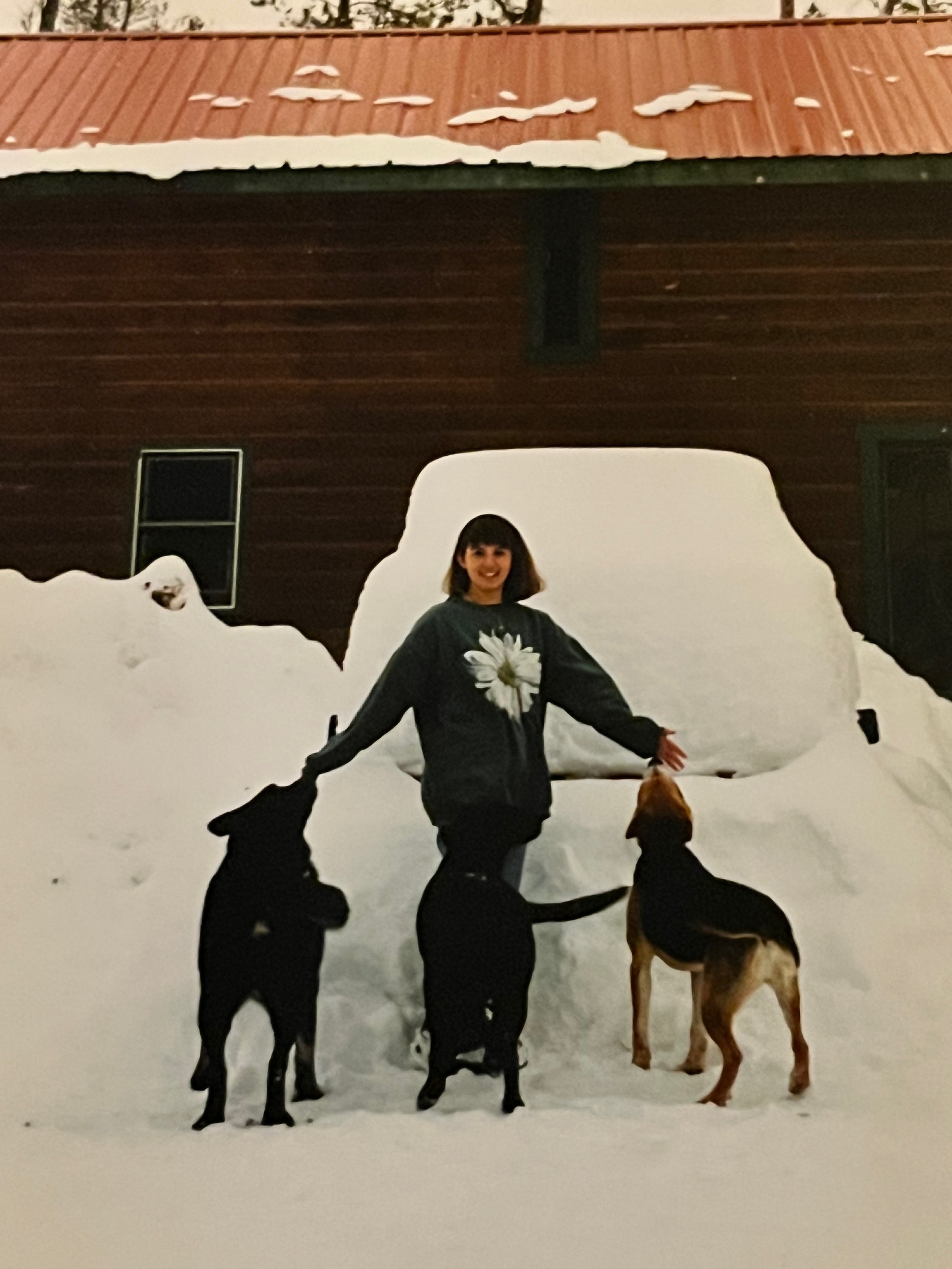
The “how” of developing the weather reports is more difficult to pinpoint, though they explain the use of a secret, proprietary formula that considers solar activity (which has been wild lately!), along with lunar phases and planetary placements, combined with historical trends. My eldest son, who is studying meteorology, rolls his eyes at me, but I still stand by having at least a heads-up on what the seasons might bring.
Sixteen years ago, my relationship with the Farmers’ Almanac deepened. As a writer, it’s always special to produce content for a publication that has been part of your life for so many years. When I decided I wanted to query them, I asked Dad to look at the Almanac masthead and tell me the editor's name. I reached out to Sandi Duncan, and much to my delight, she assigned me a story.
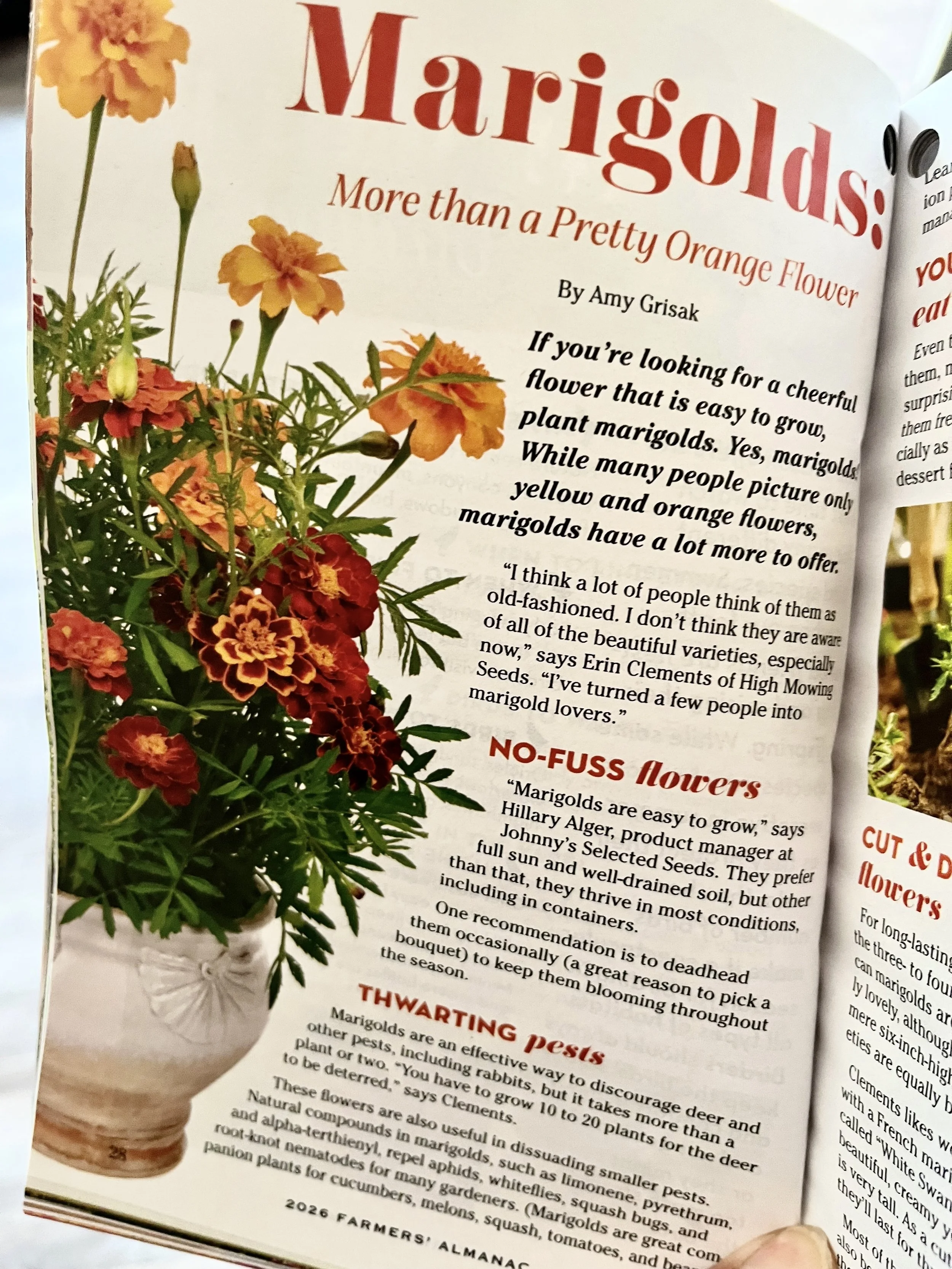
I cannot remember the first article, although I fondly recall many of the others, including sharing the Native star stories I learned from listening to the Native Speaks programs in Glacier, teaching readers how to build a hugelkultur bed, explaining the social implications of casseroles and sharing a few recipes. I even delved into which home heating fuel is the most efficient when electricity or natural gas is not an option. (Here’s a hint: Anthracite coal burns cleaner and more efficiently than wood!)
For 2026, Sandi asked me to write a piece on marigolds, which was a treat because it was a flower my father always grew. Plus, being an October baby, it is my birth flower, making it even more special. Little did I know it was the last article I would write for them.
The copies I received in August were accompanied by the standard letter outlining ideas for 2027. But in early November 2025, we received an email sharing the bad news: After 208 years, the Farmers’ Almanac was ceasing production for good.
The Geiger family purchased the rights to the Farmers’ Almanac nearly 75 years ago. They’ve weathered a few ups and downs along the way, but for whatever specific reasons, they decided it was no longer viable.
“It’s hard to believe, but they say there's a season for everything, right?” Sandi shared with me. “Not sure I could say much more or different than what's been said before, but I will say it's been a wonderful career, and I do hope that people continue to live by the Almanac way of life.”
Her very thoughtful words do a fine job of summarizing the impact of the Farmers’ Almanac, not only on for me as a writer and an editor, but its importance to its readers over the past 208 years. It’s been a fixture; yet everything changes.
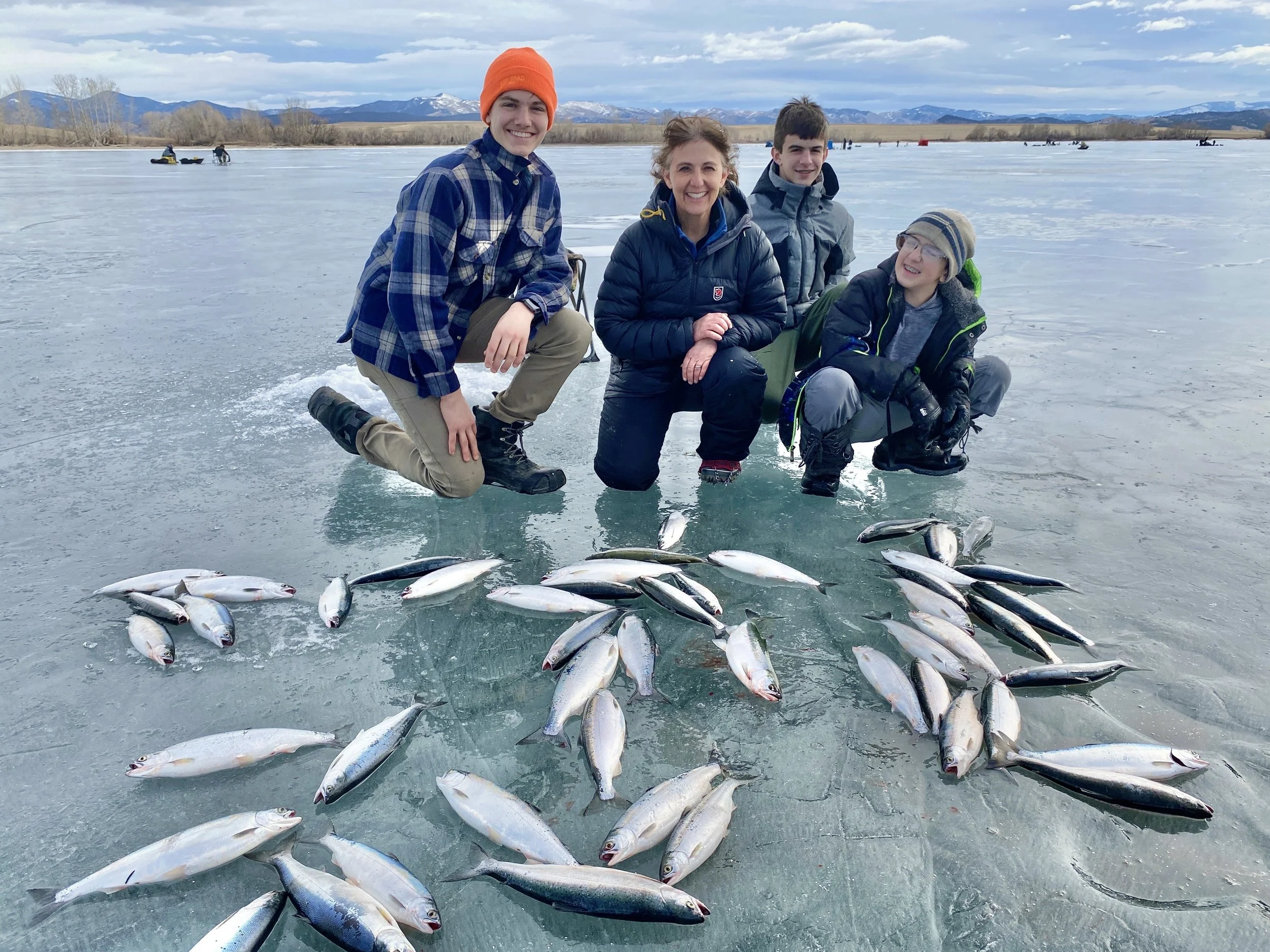
Dad has been gone for nearly 17 years, and he never saw the articles I wrote for the Farmers’ Almanac. I’m sure he would have been pleased as punch to pick up the latest copy at Gamauf’s, although even they are closing now, as the town evolves from an agricultural community to a suburb of a larger city.
Sandi is right, there is a season for everything. The Farmers’ Almanac is stepping into the realm of history, although for those of us who love staying in touch with tradition, there is still the Old Farmer’s Almanac, which was established in 1792. If you haven’t already, pick up a copy and incorporate these time-tested practices while they’re still available to us.